
A stimulant that revs you up and a probiotic that calms your gut down to fix the same problem — that's the actual choice hiding inside most "best weight loss supplements" roundups, and almost nobody frames it as a trade-off instead of a top-ten list. I've spent years testing bottles most people wouldn't bother reading past the front label, and the pattern that keeps repeating has nothing to do with which product is more magical. It has everything to do with ingredient transparency — whether a company will tell you exactly what's in the capsule and how much of it you're actually getting.
Quick disclosure before we get into it: this site runs on affiliate links, meaning if you buy through one of mine, I get a small commission and you pay exactly what you'd pay anywhere else. I don't link to anything I haven't personally opened and used, and if you just want the short version of this whole comparison, my top pick is CitrusBurn, and you can look at it here.
My own doctor is the reason I started paying this much attention in the first place. She scanned my last set of labs, went quiet for a beat longer than felt normal, then said two words — keep it up — and that pause did more for my respect of boring, well-labeled products than any influencer ever has. It's a very Portland Health reaction, honestly: one mildly scary appointment and suddenly you're reading ingredient panels the way other people read the fine print on a lease, mostly to feel like you're doing something useful instead of just eating fewer donuts.
Before any of the four products below, there was an eighty-dollar-a-month subscription box that used to show up on my porch, stuffed with an appetite suppressant built on a proprietary blend I couldn't decode no matter how many times I googled the ingredients. It did nothing I could ever point to, and cancelling it felt better than anything the capsules did. I've written the fuller version of that story here if you want the blow-by-blow of what pushed me into reading labels obsessively instead of just buying whatever had the nicest packaging.
Four Weight Loss Supplements, Four Completely Different Bets
The four I keep coming back to don't have much in common beyond actually listing their ingredients in real amounts. Two work by affecting your body directly, and two work by changing your behavior instead, which is a split most "top 10" lists never bother mentioning. If the whole idea of a proprietary blend still confuses you, I broke down clean-label probiotics without any of that nonsense here, and that piece covers the mechanics better than I will in this one.

CitrusBurn or LeanBiome: Stimulant Push Against Gut-Health Patience
CitrusBurn sits at the premium end of this list, and it earns that position through stimulant-style energy rather than anything happening in your gut. The generic stimulant blends I tried years back left me feeling like my heart was doing overtime; this one didn't. What I actually noticed was a flatter, steadier lift that carried me through the usual afternoon slump without reaching for a third coffee, which in this town is basically giving up a personality trait.
That steadier lift held up well once the initial novelty wore off into something more routine, and if you want the fuller account of how CitrusBurn performed over a longer stretch of testing, I documented that full test here.
LeanBiome takes the opposite bet entirely, working through gut bacteria instead of energy levels — the microbiome mechanism behind that approach is its own deep subject I've already written up in full elsewhere, so I'll stick to what matters here. Patience was the real cost of entry: nothing announced itself the way a stimulant does, but eventually the late-afternoon cravings eased and meals sat easier, with no single moment where I could point and say that's when it kicked in.
Set the two side by side and the trade-off is plain: CitrusBurn is the sports car of this pair — quick off the line, and you pay for that acceleration — while LeanBiome is the reliable sedan that gets you there just as surely, only slower and for less money. Pay more and feel it fast, or pay less and wait it out. That's the actual decision, not which bottle has the prettier label.

Is the Smoothie Diet Actually Cheaper Than a Bottle of Pills?
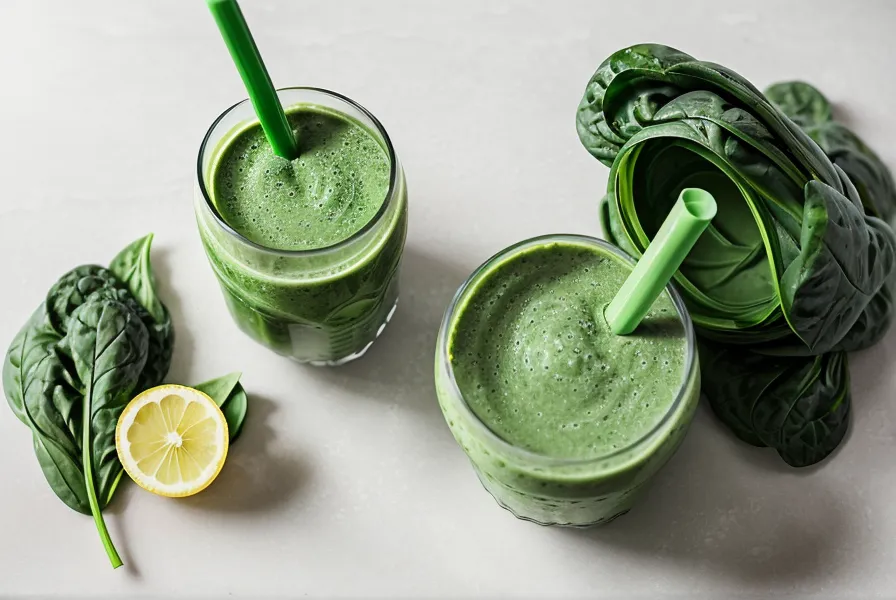
The Smoothie Diet isn't a bottle at all — it's a meal-replacement system that swaps certain meals for blended, nutrient-dense drinks, and it lands at the least expensive end of this whole comparison by a wide margin. The exact day-by-day mechanics of the program are worth a full breakdown on their own, which I've already done elsewhere, so here I'll just say the workload is real: you're shopping, prepping, and washing a blender constantly, not just tossing back a capsule.
What surprised me was how much it changed my actual palate rather than just my weight — real fruit started tasting sweeter than the processed stuff, though I tend to cut the fruit ratio down and add more greens than the recipes call for, because store-bought smoothie recipes apparently think dessert and breakfast are the same meal. It's less a supplement and more a forced habit reset, which makes it a strange thing to compare against a capsule at all — except both are supposedly solving the same problem.
Cardio Slim Tea and the Natural Remedies Ritual It's Really Selling
Cardio Slim Tea sits in the middle of the pack on price and sells something none of the other three do: a ritual. It's a daily blend, and I drink mine in the evening exactly the way the label suggests, mostly because having something warm in hand keeps me out of the snack cabinet more than the tea itself does anything to my body.
It reminds me of the herbal blends I drank my way through Southeast Asia years ago, though that whole chapter of my life deserves its own writeup rather than a tangent inside this one. The flavor is earthy in a way that will disappoint anyone expecting something dessert-adjacent, and there's no kick to speak of — just a quiet, repetitive habit that keeps your evening hands busy, which might honestly be the whole point.
Doing the Actual Cost-Per-Serving Math
None of the four price tags above tell you anything by themselves, because the number on the box means nothing until you divide it by how many actual servings you get out of it — not capsules, not scoops, servings as the label defines one full daily dose. A container that looks expensive but delivers a long run of dosing can end up cheaper per day than a container that looks like a bargain but runs out fast, and companies count on you never doing that division. I keep a small kitchen scale on my desk specifically to check whether a "serving size" printed on a label matches what's actually sitting inside the capsule or scoop, because I've caught more than one brand rounding generously in its own favor.
Reading a label well enough to catch that is its own skill, and I've written a full method for it elsewhere, so here's the short version: find the servings-per-container number before you even look at the price, do the division yourself, and only then compare that per-serving figure against a different product's per-serving figure — never compare sticker prices directly, because a "budget" option with a short serving count can end up costing more per day than a "premium" one that lasts twice as long. That one habit has saved me from more bad purchases than reading any ingredient panel ever has.
Most Saturdays I end up hashing this exact math out loud with Derek Pham, a friend from way back who's turned into just as much of a label skeptic as I am, over kettle corn at the Portland Saturday Market under the Burnside Bridge. He keeps a running Notes app list of brands he's decided are permanently blacklisted, and half our conversations there are just him reading entries off it while I try to defend whichever bottle I'm currently testing.
A reader named Edgar Vasquez emails me every so often with the same question regardless of which product I'm covering: has anyone independently tested this, like Labdoor or ConsumerLab? He started asking after a health scare of his own pushed him to actually read what he'd been taking, and it's become the best free filter I know — if a company can't point you toward independent testing, that tells you more than their marketing copy ever will.
Which One Should You Actually Buy?
Pick CitrusBurn if you want to feel a supplement working inside a single day and don't mind paying the premium price for that certainty. Pick LeanBiome if your actual problem is appetite and cravings rather than energy, and you can give it real time to work quietly in the background. Pick the Smoothie Diet if what you need is a forced reset on how you eat rather than another bottle to swallow, and you don't mind the extra kitchen work. And pick Cardio Slim Tea if what you're really after is a low-key evening ritual that keeps your hands busy more than it changes your body. Of the four, CitrusBurn is still the one I recommend first when someone asks me to just name one, mostly because the label backs up what it claims without hiding behind vague ingredient totals.
All opinions and observations on this site are my own and are shared purely for informational purposes. They do not constitute professional medical, financial, or legal advice. Please consult the relevant professional before acting on any information presented here.