
Chalky white powder clings to my fingertips every time I twist open a new capsule bottle, and it takes two rinses under the tap before it's actually gone. That residue is basically the mascot of my whole hobby here in Portland: obsessively testing natural weight loss supplements and writing supplement reviews about which ones earn shelf space, with gut health usually sitting at the center of whether any of it works at all.
Quick disclosure before anything else: this site runs on affiliate links, and if you click through to something I've actually tested and decide to buy it, I earn a small commission at no extra cost to you. I don't link to products I haven't put in my own body first.
People's Food Co-op on SE 21st Avenue is where I do most of my actual grocery shopping, and it's also where I've spent an embarrassing amount of time comparing supplement labels between items on my list, the way some guys linger over car specs at a dealership.
Three straight months of garcinia cambogia capsules from a big-box store taught me that lesson the hard way — a full quarter of consistent dosing and not one noticeable change in my weight, my energy, or how my jeans fit.
A Label Has to Earn My Trust First
None of this makes me a doctor, a scientist, or anyone with real credentials — just a guy who got tired of losing money on bottles that promised everything and disclosed nothing.
A recipe card that lists "spice blend" without saying how much cumin versus how much cayenne is in there would annoy any home cook, and a supplement label that lists a "Metabolic Blend" the same way should annoy you just as much. That's the proprietary-blend problem I've ranted about at length in a separate piece, so I'll spare you the full version here. What I will say is that I ran my usual cost-per-serving math on everything before this round started, the same spreadsheet exercise I've broken down step by step elsewhere on this site.
Some of my instinct toward gut-first thinking comes from years of watching how traditional remedies get used across Southeast Asia, which is genuinely its own article and not something I'll try to summarize in two sentences here. How I actually judge whether a label is trustworthy enough to buy from is a longer checklist I've written up separately too, so here I just want to show you what that judgment looked like in practice this time.
Why Does Gut Health Have to Come First?
My digestion has been the quiet variable behind every other result I've ever tracked, which is exactly why this round started there instead of with anything flashier.
LeanBiome made the cut mainly because it lists its bacterial strains by name right on the label, which sounds like a low bar until you spend twenty minutes in a probiotic aisle realizing how few products can actually clear it.
A friend of mine keeps a crock of kombucha fermenting on his kitchen counter and swears homebrew culture beats anything sold in a capsule, and honestly I get the impulse, even though I'll trust a disclosed dose over a jar I can't verify.
Where gut microbiome science actually fits into weight management is a deeper topic I've already covered start to finish on this site, so here I'll just say the sequencing mattered enough that gut support came before anything else this time around.
The Citrus Layer, and Where CitrusBurn Fits
Citrus-derived compounds were layer two, added only after the gut-health piece had a few weeks to settle in on its own.

Most "citrus extract" products on the shelf are either vague about the actual quantity or burying it inside a proprietary blend, and CitrusBurn was the rare one that just printed the number instead of hiding behind it.
CitrusBurn earned the Hero Pick spot in my testing precisely because it names its bitter-orange quantity instead of tucking it into a vague blend title — the trade-off is a price that sits at the higher end of this category, and because that citrus compound is synephrine, it can raise your heart rate or blood pressure, so loop your doctor in first if you manage a heart condition or take medication that might interact. If you want the actual numbers before deciding anything, see current pricing and ingredient details instead of just taking my word for it.
Four Failures That Taught Me More Than Any Win
Testing supplements for years means collecting a small museum of disasters, and four of them still shape how I shop today more than anything that actually worked.
An off-brand fat burner I grabbed during a flash sale a while back turned out to be inconsistent capsule to capsule — one batch had a faint chemical tang I didn't like the smell of, and when I emailed asking about a refund, the company offered store credit and nothing else. That taught me to only buy from sellers who'll actually stand behind a bad batch instead of just processing your card and disappearing.
A proprietary thermogenic blend gave me the second lesson — the label named a single blend weight for the whole stimulant mix with no breakdown of what was actually inside it. A friend mentioned that one capsule worked fine for him, so I assumed two would just be a stronger version of the same thing, and I spent that whole night with my pulse doing something it doesn't normally do. Never guess at a dose when a company won't show you the split. That's the entire lesson, and it wasn't a fun way to learn it.
Then came the seaweed-derived extract I ordered from a small overseas retailer, which sounded promising right up until the package sat in customs for weeks before it finally cleared. By the time it showed up, the testing window I'd planned around it had already closed, and honestly so had my interest. Now I stick to suppliers who warehouse domestically, especially for anything in that extract category that customs tends to flag on the way in.
The scariest one involved stacking two products at once — a caffeine-heavy capsule from one brand layered on top of a probiotic from a completely different one — without checking whether their stimulant content overlapped anywhere. My pulse spiked hard enough that I sat down on the kitchen floor until it passed, and I don't stack anything now without checking every active ingredient against everything else already in my system.
Week Four Looked Different
Four weeks into this particular round, the difference showed up somewhere I wasn't tracking on purpose.
I took the stairs at Powell's two flights up without stopping and without really thinking about it, and only noticed afterward that I wasn't winded at the top the way I usually am.

My home scale, which I trust about as much as a Portland weather forecast in February, showed a few pounds down and a small shift in body-fat percentage too, though the stairs mattered more to me than either number did.
Nothing here proves CitrusBurn or LeanBiome caused any of that on their own — sleep and the gut-health layer were both improving at the same time, and I'm not going to pretend I isolated one variable perfectly over four weeks. What I can say is that nothing crashed, nothing spiked, and I didn't white-knuckle a single afternoon the way past rounds usually went.
The Rest of the Toolkit
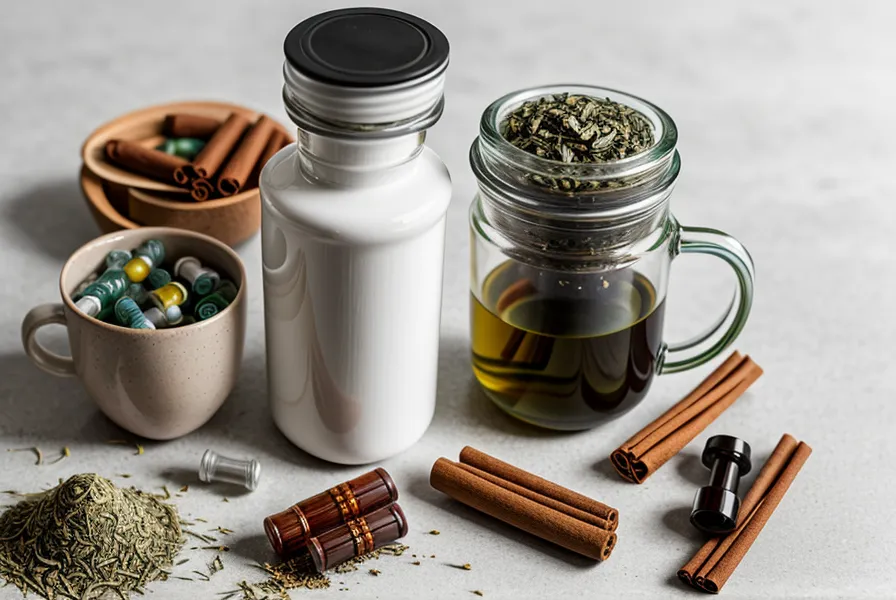
On mornings when the multi-capsule routine starts to feel too clinical, I swap in Cardio Slim Tea mostly for the ritual of it — five minutes standing at the counter waiting for it to steep is its own kind of reset, and Portland mornings can always use one.
For readers where budget is the real constraint and a full citrus-extract formula isn't realistic right now, the Smoothie Diet is a reasonable entry point for more fiber and greens without that price tag. I'll leave the full breakdown of how that program is actually structured to the post where I walk through it properly.
One reader emailed me a while back after a routine checkup flagged something on his bloodwork, and he told me flat out that he reads every review twice before he'll click a single link. That's exactly the audience I'm writing for, not the people hunting for a miracle in a bottle.
Read the Label Before You Trust the Logo
Talk to your doctor before starting anything from this article, especially if you're on medication or manage a heart condition. That's not a legal hedge tacked on at the end — it's the actual sequence I believe in.
The one rule that has never let me down is simple: read what's disclosed before you trust what's promised, because the logo and the font are marketing, and the ingredient panel is the only part of the bottle that has to tell the truth.
Finding that out cost me an unreasonable amount of grocery money, which is either a public service or a personal problem depending on who in my life you ask.
The information on this site is based on personal experience and research for informational purposes only. It is not a substitute for professional medical, financial, or legal advice. Always consult a qualified professional before making decisions that affect your health or finances.