
Would you pay a lot more for a bottle of pills just because the label finally admits what's actually inside? That question is basically the spine of this CitrusBurn review. Between the four products currently competing for space on my desk — CitrusBurn, LeanBiome, Cardio Slim Tea, and the Smoothie Diet — the honest answer changes depending on whether you're chasing steady energy, gut health, or just an excuse to stop swallowing capsules every morning. I've tested enough natural weight loss supplements out of a very Portland-lifestyle obsession with reading labels to know that "best" is almost never one single product. It's whichever one actually matches the problem you're trying to solve, and whichever one skips the proprietary blends hiding in half the bottles sitting next to it on the shelf.
Quick disclosure before anything else: this page uses affiliate links, including the CitrusBurn, LeanBiome, Smoothie Diet, and Cardio Slim Tea links below, and buying through them earns me a small commission at no extra cost to you. None of that changes what I'm about to tell you, mostly because my closet already looks like a supplement graveyard and I have no reason left to oversell a bottle that didn't work.
Proprietary Blends Are the Reason I Don't Trust Most Labels
Somewhere along the way I decided that any company hiding its exact dosages behind a "proprietary blend" name had already lost my trust, the same way I'd walk out of a restaurant that refused to say what was actually in a "signature sauce." CitrusBurn is one of the few bottles that passed that test outright, since every dose on the label is spelled out instead of buried inside a blend name. If you want the deeper breakdown of how those blends dodge disclosure and which brands actually show their numbers, I already covered that in Best Natural Fat Burner Supplements Without Proprietary Blends: A Buying Guide for Label Readers — so I won't repeat the whole rant here.
Reading labels line by line is basically a compulsive hobby of mine, and I keep a running breakdown of how to do that properly elsewhere on this site, so I won't turn this into a tutorial either. What actually matters for this comparison is whether the disclosure translates into a product that does something. A full bottle of raspberry ketone pills taught me the opposite lesson a while back — every dose disclosed right there on the label, zero noticeable change after finishing the whole bottle. Transparency is necessary. It just isn't sufficient on its own.
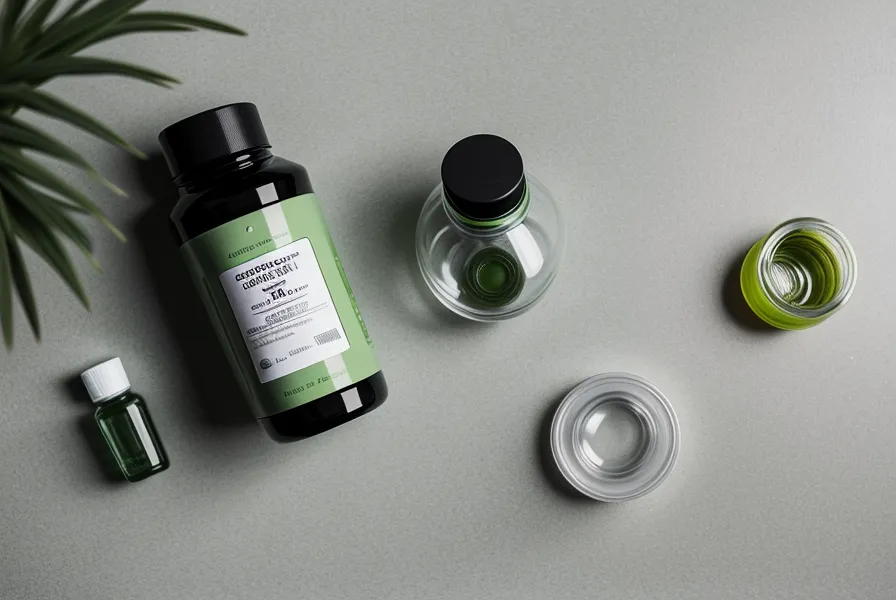
Testing the Cheap Bottles Before the Expensive One
My friend Derek Pham has a rule he applies to almost everything he buys: try the cheapest version first, then decide if the expensive one is worth the difference. He runs that rule on fat burners the same way he runs it on kitchen knives and running shoes, and it's honestly a smarter approach than most of what I did in my twenties, which was buying whatever had the boldest font on the label. Starting cheap is also the fastest way to learn what a stimulant crash actually feels like, since the gap between a jittery two-hour spike and something steadier is obvious once you've felt both.
The steadier option is what eventually pulled me toward CitrusBurn over the tubs sitting in the discount aisle. Instead of the usual espresso-on-an-empty-stomach jolt, the energy felt closer to what I get from a properly steeped pot of good green tea, present but not shaking my hands. I noticed it most clearly on a Saturday afternoon at New Seasons Market on SE Division, standing in a checkout line that stretched halfway back into the produce section, and realizing I'd been on my feet for over an hour without once wanting to sit down. That's a small thing, but it's exactly the kind of small thing that tells you more than a scale ever will.
None of this means CitrusBurn is automatically the right call for everyone, and it's worth saying up front that pills aren't the only lane in this category. I switched to a blender-based routine entirely for a stretch last year, and if you want the play-by-play of what that looked like, I wrote about it in Trading Capsules for Carafes: My Honest Smoothie Diet Experience Post-Supplement Fatigue. That stretch is a big part of why the Smoothie Diet still gets a fair shake further down. And for what it's worth, I could walk you through the exact cost-per-serving math for all four of these here, but that full breakdown already lives in a dedicated comparison post on this site, so I'll spare you the spreadsheet and stick to what each one actually felt like to use.
Gut-First Versus Direct: LeanBiome Against CitrusBurn
Not every weight-loss wall is a metabolism problem, and that's where LeanBiome earns its spot in this comparison. Instead of pushing energy the way CitrusBurn does, LeanBiome works from the microbiome angle, betting that gut health, not willpower, is the real bottleneck for a lot of people. LeanBiome costs noticeably less per bottle than CitrusBurn, and it's going after a completely different problem, which makes the two less like direct competitors and more like tools built for different jobs.
The comparison I'd actually make is a car analogy: CitrusBurn is closer to upgrading the engine, while LeanBiome is closer to cleaning out the fuel lines so the engine you already have runs the way it's supposed to. My own digestion felt noticeably calmer on the probiotic route, in a way that had nothing to do with energy levels or cravings. For anyone who wants the probiotic side of this without wading through another proprietary blend, I put together a full guide called Best Clean Probiotics for Weight Loss Without Proprietary Blends.
What the Smoothie Diet Solves That Pills Can't
Then there's the option that skips pills entirely. The Smoothie Diet is a structured meal-replacement program built around blending instead of swallowing, and it solves a completely different kind of problem: pill fatigue. Derek actually tried this one before CitrusBurn, true to form, since it was the cheaper entry point of the four, and he told me the structure mattered more to him than any single ingredient list. Having an actual plan removed the guesswork he usually gets stuck on.
I won't walk through the full day-by-day protocol here, since that lives in its own dedicated breakdown on this site, but the short version replaces a couple of meals a day with nutrient-dense blends for a set stretch of time. For someone who hates the ritual of capsules more than they hate blending vegetables before their commute, that trade genuinely makes sense.

Ritual Versus Precision: Cardio Slim Tea's Place in the Rotation
Cardio Slim Tea is the fourth option in this lineup, and it earns its place for a different reason than the other three: the ritual itself. Steeping a cup and drinking it slowly has a quality that reminds me of the tea rituals I picked up while traveling through Southeast Asia, where the process mattered as much as the ingredients. Compared to CitrusBurn's more direct, almost engineered feel, Cardio Slim Tea is closer to a gentle nudge than a focused push.
That gentler quality is exactly why I wouldn't recommend it to someone chasing a specific, measurable result on a deadline. It works better as a daily habit you actually enjoy keeping than as a tool for cracking a stubborn plateau, and there's real value in a routine you don't dread, even if it won't out-perform something built for a sharper effect.
Which One Is Actually Worth the Money
Your choice depends entirely on the problem you're solving. If the issue is steady energy and appetite control without the jittery crash of the cheap stuff, CitrusBurn is the one I keep going back to, even though it's the priciest of the four by a wide margin.
A reader named Edgar Vasquez emailed me after a health scare pushed him to start reading labels for the first time, and he checked back about a month later with a genuinely useful comparison of his own: he chose LeanBiome first because the gut-health angle matched what his checkup had flagged, and he found the effect on digestion more relevant to him than an energy boost would have been. I'm not a doctor, and nothing in this article replaces one. If a recent checkup is part of why you're here, loop in your own doctor before changing anything. If your goal is specifically gut health, or you want the lower-cost entry point, LeanBiome is the smarter pick. If pills themselves are the actual obstacle, skip the bottles entirely and go with the Smoothie Diet.
Nothing here is magic, and nothing will undo a routine built entirely on convenience food, no matter how transparent the label is. But if you've already handled the obvious stuff and just want the option that respects your intelligence enough to show its work, check out CitrusBurn for yourself here and decide whether the label backs up the price the way it did for me.
All opinions and observations on this site are my own and are shared purely for informational purposes. They do not constitute professional medical, financial, or legal advice. Please consult the relevant professional before acting on any information presented here.