
Why 'Proprietary Blend' Still Makes Me Put the Bottle Back on the Shelf
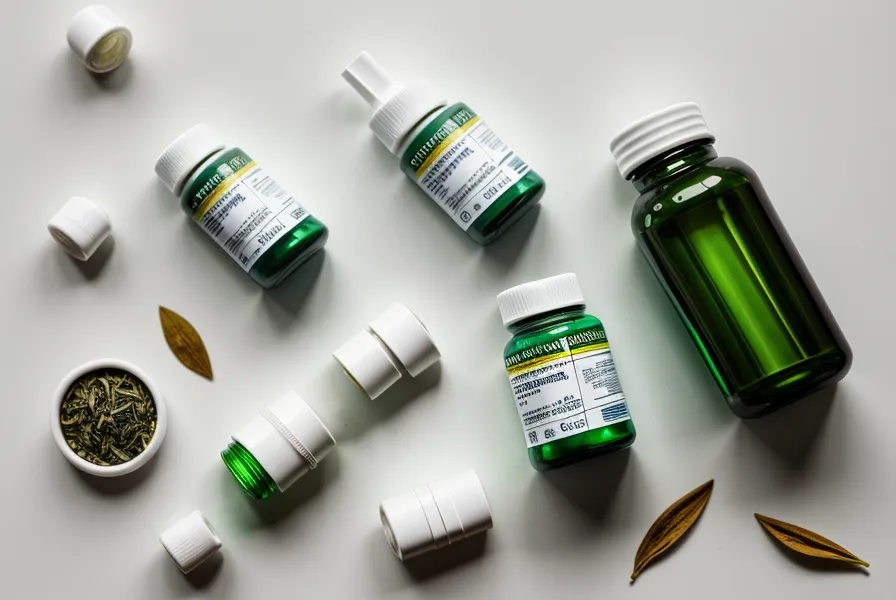
A "proprietary blend" on a label is really just a company describing the recipe without ever giving you the ratios,the supplement equivalent of a night market vendor bragging about their curry without saying whether you're getting real galangal and lemongrass or mostly salt and filler.
One bottle taught me this lesson the hard way,a jitter-inducing thing called Mega-Shred 3000 that I grabbed off a discount shelf years ago. I felt like I'd had four espressos in a sauna, and because everything was buried inside a single "Metabolism Complex," I had no way of knowing which ingredient was responsible for my racing heart. These days I only buy things that list every ingredient down to the milligram, which is exactly why I finally sat down and wrote about the Transparency Test that made me quit proprietary blends for good. If a company won't show you their ratios, assume they don't want you to see them.
Does Anything Actually Change by Week Five?
These products aren't light switches, no matter what the ad copy implies - you don't take a capsule and wake up with the metabolism you had in your twenties. It's closer to seasoning a pot of soup than flipping a switch: you add something, you wait, you taste again later. In my experience the first couple of weeks with anything new are mostly quiet. Maybe a little more thirst, maybe a slightly different energy level in the afternoon, nothing you'd point to and call proof.
By week five is usually when I notice something real, and it's rarely the number on the scale first. I remember being out on the Wildwood Trail right as the light dropped into that grey Portland dusk, still moving easily at mile four instead of dragging myself back to the car the way I would have a month earlier. That's the kind of change that actually means something,not a miracle, just a body that's stopped fighting me quite so hard. Before that stretch, though, I'd wasted two months doing apple cider vinegar shots every single morning because some wellness account swore it would kickstart everything. It didn't. My stomach hated me, the scale didn't move, and I stopped after week eight out of pure spite.
The Two Bottles Still Standing
After testing more than forty products since I started this whole obsession, exactly two have survived long enough to stay on my shelf instead of joining the graveyard,a worse hit rate than most minor league batters manage, if we're keeping score. They do very different jobs, so it depends where you are in your own process.
The one I reach for daily is CitrusBurn. I winced at the cost before I ever opened the bottle, not going to pretend otherwise, but once I actually read the label I realized I was paying for standardized extracts and full ingredient disclosure instead of factory filler. In my experience it's been the most consistent option for steady energy without the jittery heart-racing feeling I got from Mega-Shred. It's built for people like me who want to know exactly what they're swallowing.
Sometimes the better move isn't a capsule at all. The Smoothie Diet is a 21-day structured program built around whole foods instead of pills, and after years of capsule fatigue I spent a while trading capsules for carafes myself. It's a solid entry point if you're not ready to commit to a bottle yet and just want to reset how you eat first.

What Southeast Asia Taught Me That No Label Can
In small towns across Thailand and Vietnam, the healers I talked to worked with tea made from ginger, turmeric, and roots I couldn't even name,no blend names, no marketing copy, just the raw plant handed over in a paper cup. Coming home and looking at the science behind modern weight loss supplements, I realized most expensive bottles are just trying to concentrate what those simple teas were already doing generations before any lab got involved.
The trouble is that concentrating a plant into a capsule can lose the nuance of the whole ingredient, which is why I look for standardized extracts specifically,a guarantee of how much active compound you're actually getting, not a vague plant name that could mean almost anything. A product like the SE Asian inspired Cardio Slim Tea follows that same logic, and even microbiome-focused options like LeanBiome are drifting toward that same whole-system thinking instead of the blunt "burn everything" stimulants that dominated the shelves a decade ago. That gut-bacteria angle is a rabbit hole for another article, but it's already changed how I shop.
Why Cheap Weight Loss Supplements Cost More Than Expensive Ones
I used to be a hardcore bargain hunter, doing laps around big-box vitamin aisles hunting for buy-one-get-one deals. The cheapest "fat burner" I ever bought turned out to be almost entirely caffeine anhydrous and rice flour,a jittery, headache-inducing cup of coffee wearing a supplement label. My bargain-hunting habit was actually the expensive habit, because nothing worked and I just kept replacing it with more junk.
It's a lot like buying hiking boots for the Pacific Northwest rain: the cheap pair falls apart by the second soggy season and you keep replacing it, while the sturdier pair costs more up front and just lasts. Once I actually sat down and worked out the cost per serving instead of comparing sticker prices, the math on the pricier bottle stopped looking so scary, which is really its own whole calculation I won't bore you with here, but it's worth doing before you buy anything.
Three Checks Before You Spend Again
Whenever a friend asks what to look for,usually a friend of mine who's busy telling me about her latest improv comedy class at Brody Theater and only half-listening to my ingredient rant,I give her the same three things. First, check for third-party testing; sites that verify what's actually in the bottle exist for a reason, and a company skipping that step is asking you to trust a stranger. Second, scan the "other ingredients" line for stuff like titanium dioxide or artificial dyes. You're trying to get healthier, not eat a coloring book.
Third, and the one people skip most, is actually reading a label the way you'd read a contract instead of skimming past it,the whole habit of label-reading is honestly the biggest single change I've made, more than any single product. Your biology isn't mine, so what worked for a Portland guy who bikes everywhere and drinks too much coffee might land differently for you, which is exactly why I'd rather hand you a way to think about labels than a magic answer.
The Part No Bottle Can Replace
No supplement, however well-labeled, is going to do the actual work for me. I still have to get outside and move around the Alberta Arts District most evenings, and I still have to say no to a slice from Sizzle Pie some Tuesday nights when I'd rather say yes. What these two products actually do is make that daily effort a little less exhausting,support staff, not a replacement for showing up.
If you're done guessing and want to start with something that at least shows its work, my top pick is worth a look, though it's not going to feel like magic on day one. If a capsule still feels like too much commitment, easing in with the Smoothie Diet is a reasonable way to reset your habits before you spend money on anything else. No proprietary blends, no shortcuts,just consistent effort and a label you can actually read.
All opinions and observations on this site are my own and are shared purely for informational purposes. They do not constitute professional medical, financial, or legal advice. Please consult the relevant professional before acting on any information presented here.