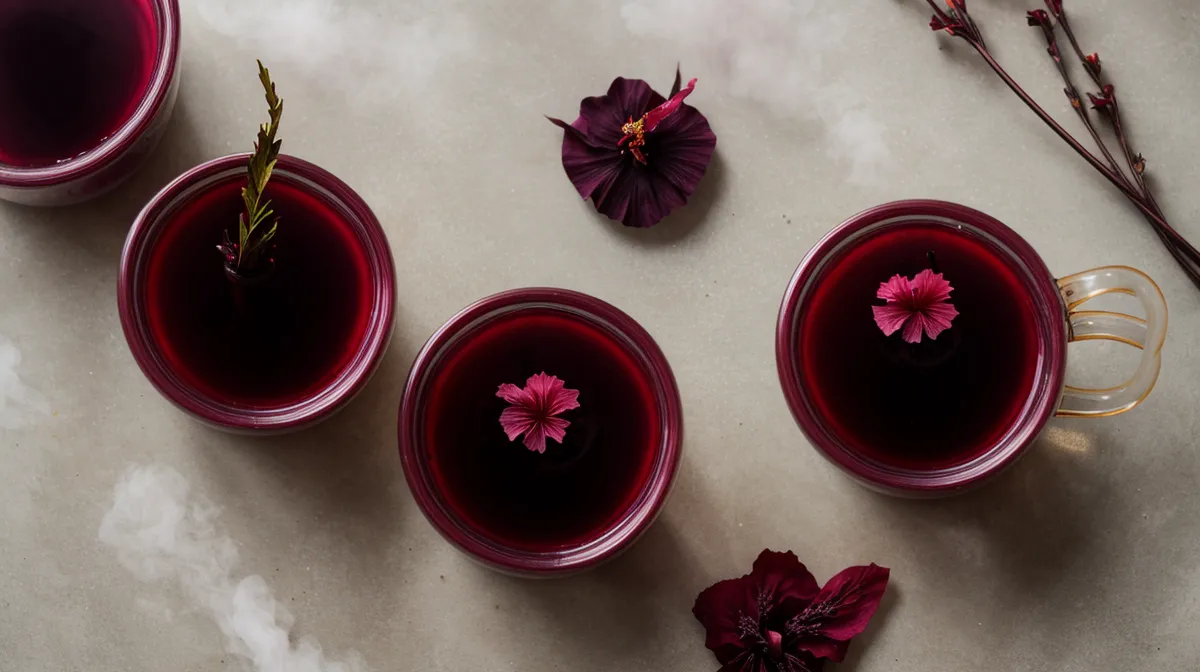
Four ingredients on one box of tea. Zero on the other one. Just the words "Proprietary Cardio Blend, 500mg" printed under a stock photo of someone doing yoga on a beach at sunset. That contrast is basically the whole reason I get asked about SE Asian inspired cardio slim tea more than almost anything else these days: people want to know if it's a real upgrade from the green tea aisle, or just green tea in a nicer box with a bigger price tag. I've spent years cracking open bottles that promised the world and delivered a headache, and I own a cabinet that looks like a small pharmacy exploded in it, which says a lot more about my past decision-making than it does about whether any of this stuff actually works. Here are the questions people actually ask me about this category, one at a time.
Is CardioSlim Tea Actually Different From Green Tea?
Short answer: some of it, yes — but not because of anything mystical. Green tea is the dependable, slightly boring base that most of these blends still build around, and there's nothing wrong with boring. What changes the equation is what gets added around it — hibiscus, lemongrass, and fruit extracts like garcinia, all of which show up constantly in traditional SE Asian remedies. The specific botanicals in a tea like this track pretty closely with what I actually saw brewed fresh in open-air markets during two years of traveling through Southeast Asia, though the full version of that story belongs somewhere else. I spent an afternoon a while back sitting on the floor of the health section at Powell's on West Burnside, going through a stack of old herbal reference guides just to double check these plants weren't marketing inventions — they aren't, though nobody selling tea in a box is simmering it the way a street vendor would.
The Proprietary Blend Problem
My neighbor Owen works the floor at a natural foods co-op a few blocks from me, and customers ask him supplement questions constantly now — he won't recommend a single product unless he's personally read its certificate of analysis first. That's a higher bar than most people hold themselves to, and it's the bar my own label-reading habit tries to clear whenever a box says "blend" instead of listing actual milligram amounts. Proprietary blends let a company hide the ratio of expensive ingredients to cheap filler behind a trademarked name, which is a problem I've gone deep on elsewhere, so I won't repeat the whole rant here. The version of this tea I looked at recently actually lists individual amounts for hibiscus and lemongrass rather than burying them inside a "Cardio Matrix," which puts it ahead of most of what's sitting on a grocery store shelf. I'm also not going to run a full cost-per-serving breakdown in this post — that math matters, but it's its own conversation, not a footnote here. If you want the deeper checklist for what to look for on any fat-burning tea label, I already wrote up my Best Natural Fat Burning Tea: A Buying Guide for the Ingredient-Obsessed, and I'm not going to make you sit through that whole thing twice.
The Ingredients Do More Talking Than the Label Admits
Hibiscus gets used in traditional preparations for cardiovascular and blood pressure support, at least according to the label and the tradition behind it — I'm not a scientist, so I can't verify the biology, only what I noticed drinking it daily. My evening walks around my own neighborhood felt noticeably less like a slog, and I stopped needing a breather halfway through. Lemongrass and garcinia get folded in for digestion and appetite reasons, and here's where I'll admit something: I once cut all bread and pasta out of my diet for six weeks straight, lost three pounds, and gained four back within a month of eating normal meals again. Restriction by itself never worked for me, which is exactly why an approach that doesn't ask you to starve interests me more than another all-or-nothing reset. I also tried a boxed "CardioBurn" tea from a chain grocery store a while back that tasted like hot dishwater with a hint of stevia, and after a month of drinking it daily I genuinely could not tell you if anything had changed — which is its own kind of answer. Ordering a supplement off a label that says "proprietary cardio complex" is a lot like ordering the "chef's special sauce" at a diner with no idea what's actually in it. You're trusting a reputation, not information, and I'd rather see the ingredients.
Appetite Control Feels Different Than Appetite Suppression
People ask constantly whether this stuff kills your appetite the way old-school stimulant burners did, and the answer for me was no, in a good way. Instead of that jittery, food-avoidant feeling, I just stopped mindlessly reaching for whatever was closest while I was working. Energy stayed steadier too, without the sharp crash some caffeine-heavy blends give you by mid-afternoon — I won't pretend to explain the exact chemistry behind why, since that's not something I can verify from my kitchen counter, but the pattern held up over and over. A friend caught a glimpse of a photo from the gym locker room a while back and just blurted out, "whoa, what happened to you," which is the kind of unscripted reaction no ad campaign can fake. Gut health plays into all of this too, and it's a big enough topic that I already covered it thoroughly in why LeanBiome is the best shelf stable probiotic for weight loss — a tea alone was never going to be the whole answer for me, and I'd be lying if I said otherwise.
Check What You're Actually Drinking Before You Buy
Reading this specific category takes maybe ninety seconds if you know what to check: whether hibiscus, lemongrass, and any fruit extract get individual milligram amounts instead of one bundled "cardio complex" number, and whether caffeine content is disclosed at all, since a lot of these blends quietly skip that line. That's the actual decision point for a tea like this — not the marketing copy about ancient traditions, but whether the company will show its work. If the bloating and digestion side of things is what brought you here rather than cardio support specifically, I've also put together a full best herbal tea for bloating and weight loss with clean ingredients guide that goes deeper into that particular angle. None of this replaces an actual conversation with your own doctor, especially if you're on medication or managing a condition, and anyone selling you a supplement instead of a consultation should make you a little suspicious.
So, Is It Worth Trying?
My neighbor Leon won't order any supplement now without checking the refund policy first, a habit that started after a gym trainer talked him into a fat burner that turned out to carry a sales commission. It's not a bad instinct to borrow, honestly, even for something as low-risk as tea. My honest read: if you're already drinking green tea daily and tolerating caffeine fine, a well-labeled SE Asian inspired blend is a reasonable, low-stakes swap that might do a little more for how you feel day to day, though it isn't going to replace sleep, food choices, or a doctor's actual advice. What convinced me wasn't a dramatic before-and-after, it was the boring stuff — steadier energy, less mindless snacking, and a label that didn't need a decoder ring. That's a low bar, and it's exactly the bar more of this category should have to clear, which honestly sums up most weight loss tips that actually hold up: boring, verifiable, and not much of a story.
All opinions and observations on this site are my own and are shared purely for informational purposes. They do not constitute professional medical, financial, or legal advice. Please consult the relevant professional before acting on any information presented here.