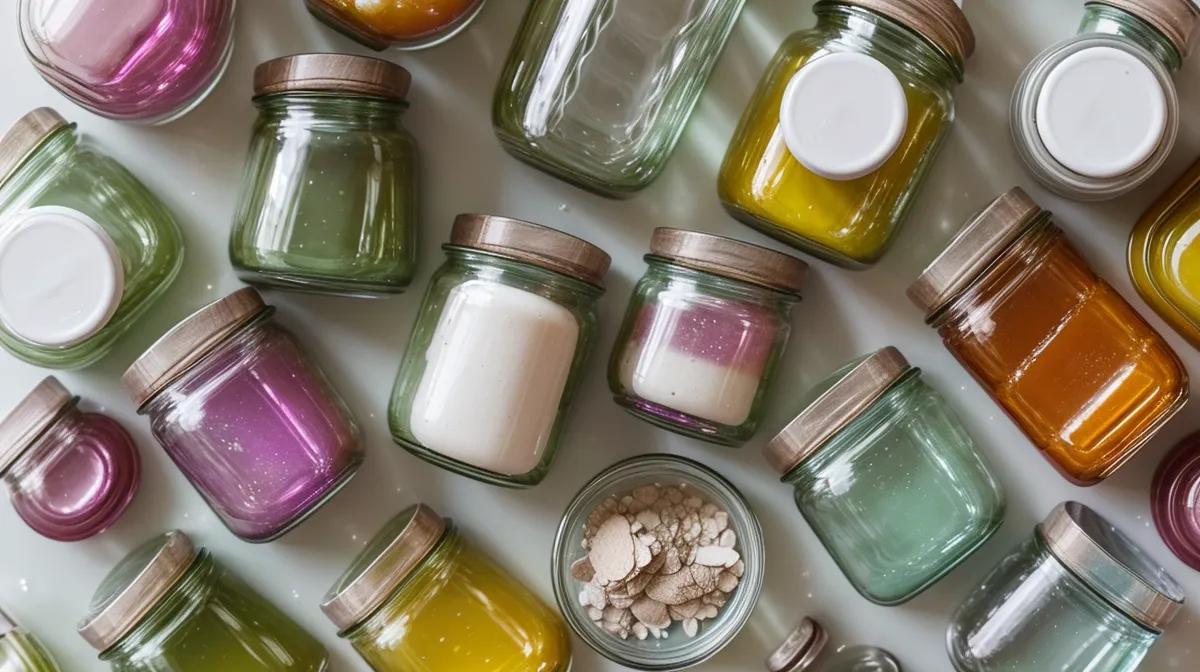
Rain against the window turns into steady static after enough Oregon winters. That hiss was running in the background the last time I stood re-reading a supplement label because none of the ingredient amounts on it added up — proprietary blends do that to a person, listing a total weight for six ingredients and calling it a day, which is legal but not honest. I care about supplement transparency more than most people care about anything, and after years of testing bottles I trust single-ingredient options over anything labeled a 'complex' or a 'matrix.' This is the natural weight loss approach I keep coming back to, and here's what actually convinced me.
What Counts as a 'Proprietary Blend,' Exactly?
A proprietary blend shows up on a supplements facts panel as a bracket — six or eight ingredient names, one combined milligram total, no breakdown of what's actually doing the work. Companies can do this legally under the same regulatory framework covered by 21 CFR 101.36, and I won't pretend to be the expert on how that loophole was written — other people have picked that apart in more detail than I ever could. What I know from my own kitchen counter is simpler: if a label won't tell me the number next to each ingredient, I put the bottle back.

The Cost-Per-Serving Math Nobody Wants You to Do
Somebody else on this site has already broken down the actual cost-per-serving comparisons across brands, and that's the math worth doing before you buy anything. My own version of it is cruder: buying six mystery ingredients bundled into one 'complex' usually costs more than buying the two or three that matter on their own, the same way a fifteen-dollar gourmet spice mix is mostly salt with a dusting of something fancier stirred in. Once I started pricing ingredients separately instead of trusting the front label, the bundled versions stopped making sense.
What Changed When I Switched to Berberine HCL and Ditched the Blend
Once I moved to single-ingredient bottles, I could actually tell what was doing what — a shift that felt less like guessing and more like being in charge of my own results. Berberine HCL replaced a bottle I'd been cycling through called 'Thermo Ignite Complex,' which never once told me how much of anything besides caffeine was actually inside, and a standardized green tea extract took the place of a stimulant blend I could never quite pin the caffeine content of either. The compound doing most of that work is Epigallocatechin gallate, which is the part of green tea extract tied to thermogenesis — I'm not going to pretend I understand the biochemistry past that point, and I'd rather you read something written by an actual scientist than take my word for the mechanism. What I can vouch for is noticing the difference myself instead of hoping a blend was working.
Reading Labels Is a Personality Trait Now
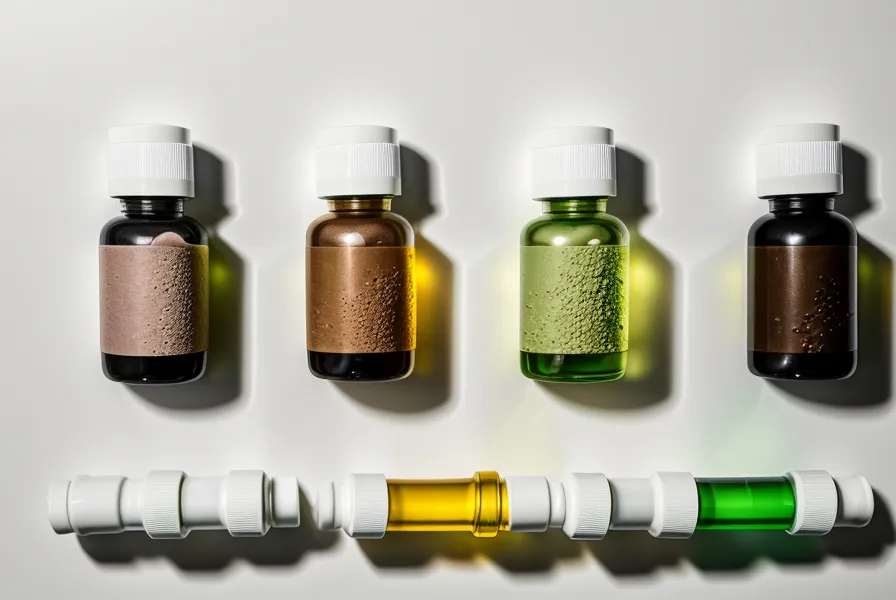
Label-reading turned into a genuine hobby somewhere along the way, which says more about how I spend a rainy afternoon than I'd like to admit — my one real skill is standing in an aisle doing mental math while everyone else has already checked out. It also means I've gotten better at spotting the tricks: a 'natural appetite suppressant' that's really just fiber under a fancier name, a stimulant-free formula working through a mechanism that has nothing to do with the jittery caffeine blends I used to buy, or a probiotic listing its CFU count from the day of manufacture instead of the day you'll actually swallow the capsule.
The Questions I Get Asked the Most
A friend of mine who takes improv comedy classes at Brody Theater asked me this over coffee on NE Alberta Street, and the question comes up more than you'd think: why not just buy the all-in-one bottle like a normal person? My answer is always the same — transparency isn't about being difficult, it's about actually knowing what's going into my body.
Another question I get a lot is whether feeling less bloated means you're actually losing fat, and the honest answer is no — those are two different signals, and conflating them is how a lot of people end up disappointed a few weeks into a smoothie-based reset that mostly just changes how much water you're holding. I tried plenty of shortcuts before landing on single ingredients, including two straight months of apple cider vinegar shots every morning that did absolutely nothing except make my coffee taste worse by comparison.
People also ask if gut health actually factors into any of this, and it does more than most weight loss marketing wants to admit — I wrote a longer piece on Why Diverse Gut Bacteria Matters for Sustained Natural Weight Loss if you want the fuller version. Some of that thinking traces back to time spent around traditional Southeast Asian remedies, where bitterness and whole ingredients did a lot of the same work modern supplements try to bottle. Whatever the mechanism, the plainest proof for me wasn't a number on a scale — it was tucking my shirt in one morning without thinking about it, then realizing afterward that it hadn't felt that easy in a couple of years.
So Is It Worth Switching to Single-Ingredient Bottles?
For me, yes — but I'd rather you make that call after comparing labels yourself than take a stranger's word for it on the internet. The sourcing side of single-ingredient supplements is its own deep rabbit hole that deserves more space than I can give it here, and I've kept tracking the brands I trust most in The Proprietary Blend Protest: My Hunt for Transparent Metabolic Support This Past Year. What I keep coming back to is simple — read the panel, do the math, and don't let a cool label talk you out of asking where the numbers went.
All opinions and observations on this site are my own and are shared purely for informational purposes. They do not constitute professional medical, financial, or legal advice. Please consult the relevant professional before acting on any information presented here.