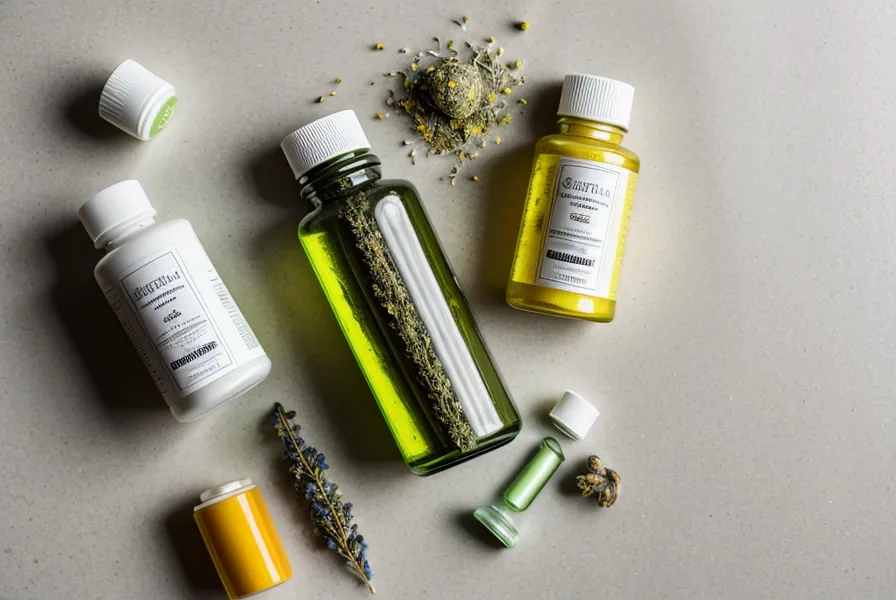
Steam curls off the mug sitting next to my keyboard, and I haven't opened my inbox yet this morning. This is the same herbal tea I've been steeping most days for a while now, ever since I got tired of hunting for something that actually listed clean ingredients instead of hiding behind the words 'proprietary blend.' Bloating used to run my whole afternoon with a tight waistband, foggy head, the works, and most of the natural weight loss teas on grocery store shelves just trade one problem for a worse one.
My desk corner in this Pearl District apartment has slowly turned into something like a lab over time — a standing desk, a rolling whiteboard where I scrawl whatever tea or supplement I'm mid-test on, and a little row of bottles lined along the windowsill in the order I opened them. Three floors down, the rain hisses against the pavement, muffled enough that it just sounds like static under everything else. There's a digital kitchen scale wedged next to my keyboard too, mostly so I can catch myself before I fall for another glossy serving-size claim — proof, probably, that I'll spend forty dollars chasing a two-dollar problem if the packaging is pretty enough.
The Zupan's Aisle That Started All This
Zupan's Markets on West Burnside is where this whole thing really got going, standing in the tea aisle staring at a box that promised to reset everything above my belt. I flipped it over, actually read the ingredient panel, and couldn't tell you if I was looking at a medicinal herb or a chemistry experiment. That's the moment clean ingredients stopped being a marketing phrase to me and started being the only thing I'd actually pay attention to on a label.
I picked up a taste for stripped-down herbal blends years ago, wandering the markets in Chiang Mai, where vendors sold raw dried ginger and hibiscus with nothing hidden behind a label. I've written elsewhere about what two years chasing tea and tinctures through Southeast Asia actually taught me, so I won't rehash the whole trip here — just know it's part of why an ingredient list with real names on it matters so much to me now.
Sumit, a fellow label-obsessive I met through a Reddit thread comparing probiotic brands, won't touch anything calling itself a proprietary blend, full stop, no exceptions, ever. I'm not quite that rigid about it, but after enough boxes like the one at Zupan's, I get exactly where he's coming from.
Cost-per-serving math is something I've already run to death elsewhere on this site, so I'll spare you the spreadsheet here. Just know that clean tea like this almost always costs more per cup than the mystery-blend stuff, and I've made peace with paying it.
Water Weight Always Creeps Back
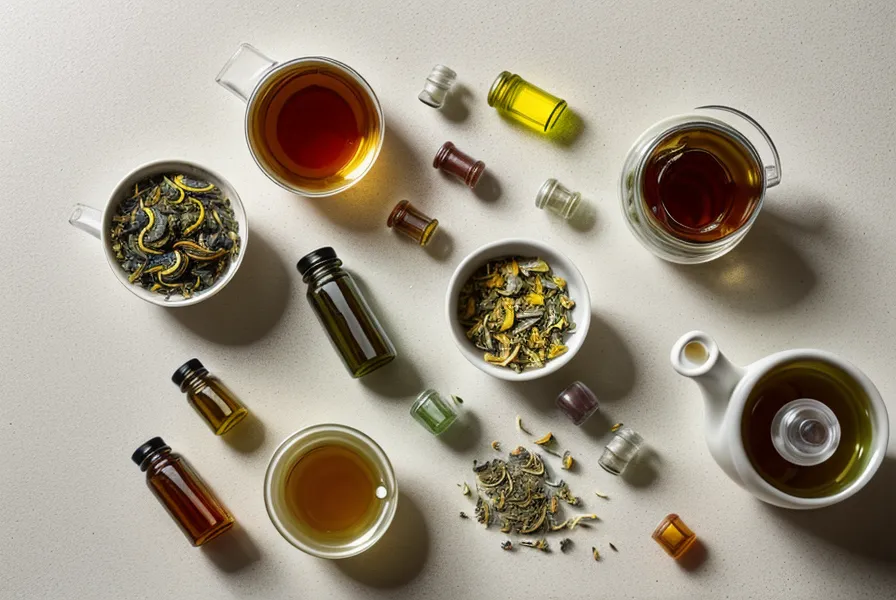
Most bloating teas out there are just dressed-up diuretics — dandelion root, a heavy dose of caffeine, whatever flushes water out of you fast. I tried a handful of those brands early on and noticed the same pattern every time: I'd look a little leaner the next morning, then puff right back up within a day or two, sometimes worse than before I started. Nobody selling that tea mentions that the water always finds its way back.
Before I found this particular blend, I burned a few weeks on a thermogenic 'fat burner' capsule built on some caffeine-and-synephrine proprietary stack, and it had my heart doing jumping jacks at my desk by midmorning most days. That one went straight in the trash, refund request and all, and it's the reason I read every stimulant label twice now.
Steeping It Long Enough To Matter
Brewing this stuff properly is a lot like making stock. You can't rush good flavor out of tough ingredients in two minutes flat. Ginger root and cinnamon bark are woody, fibrous things, and if you dunk the bag the way you would a green tea, you're basically drinking flavored hot water. I let mine sit closer to ten minutes now, more of a slow simmer than a quick dip.
The label on this one skips 'natural flavors' entirely, which is one of those phrases that can legally cover a long list of stuff a company never has to spell out. No maltodextrin, no soy lecithin filler. Just the herbs themselves, and you can tell by how much heavier the bag feels in your hand compared to the flimsy ones.
Senna shows up in a lot of 'detox' blends too, since it's a strong laxative herb, and from what I've read it's meant for short stretches rather than something you sip nightly for months on end. That's part of why I steer clear of most senna-heavy cleanse teas altogether, clean label or not.
The Changes After Twelve Weeks
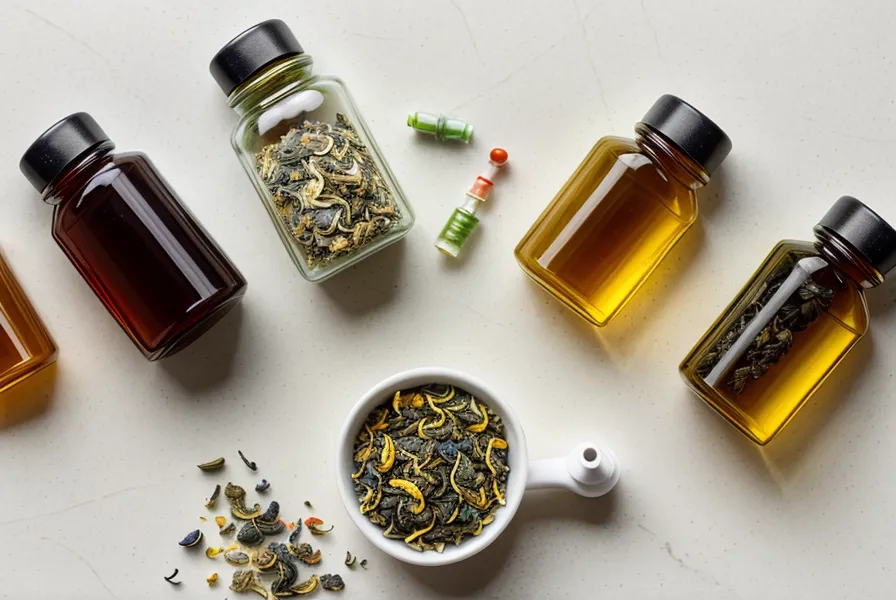
Twelve weeks into swapping my afternoon coffee for this tea, the changes weren't dramatic, but they were real enough that my own doctor noticed. She scrolled through my bloodwork next to last year's numbers at a checkup in June, went quiet for a second, then just said, 'Whatever you're doing, keep doing it.'
The first thing I actually noticed wasn't the scale. It was that sharp bite of real ginger hitting the back of my throat every single morning, nothing like the flat, dusty flavor you get from the cheap stuff. That heavy dinners didn't leave me feeling like a stuffed marshmallow for two days afterward was the part that actually kept me buying it.
My buddy Mitch texted me a link to some celebrity-branded version of basically the same tea around week eight, asking if I'd lost my mind considering the price. Mitch doesn't trust anything with a famous face slapped on the box, and after two years of this, honestly, neither do I.
Some of this probably comes down to gut health as much as the tea itself, which is exactly why I went down the probiotic rabbit hole in Why LeanBiome Is the Best Shelf Stable Probiotic for Weight Loss. It's worth a look if bloating has been your own particular flavor of stubborn.
The One Clean Ingredients Rule Worth Keeping
Flip the box over before you flip open your wallet. If the ingredient list says 'proprietary blend' or 'natural flavors' instead of naming actual herbs and their weights, put it back on the shelf, no matter how good the front of the package looks. That single habit has saved me more disappointment and money than anything else I've picked up since I started actually reading labels.
None of this replaces an actual conversation with your own doctor, especially if you're taking any medication already. I just make my coffee-and-tea swap, keep my kitchen scale honest, and let the rain outside do its own thing three floors down.
All opinions and observations on this site are my own and are shared purely for informational purposes. They do not constitute professional medical, financial, or legal advice. Please consult the relevant professional before acting on any information presented here.