
Elbow to elbow with the Saturday Market crowd under the Burnside Bridge, I'd already looped the produce stalls twice before my legs said a word about it. That's new. Years of chasing metabolic support out of a pill bottle taught me to notice things like that, and it's exactly why supplement transparency matters more to me than any single ingredient on its own; if a label won't tell me what's inside and how much, the marketing photos don't get a vote.
Quick disclosure before we get into it: this site runs on affiliate links, and buying through one earns me a commission at no extra cost to you. The products linked below, including CitrusBurn, are ones I've actually tested against my own kitchen scale and a magnifying glass, not just skimmed off a spreadsheet. Ask your own doctor before changing your supplement routine; reading labels is my hobby, not my medical degree.
What Actually Counts as a Transparent Label for Metabolic Support
A proprietary blend is just a label that groups several ingredients under one combined number instead of breaking out each amount. Legal, but useless if you're trying to compare two bottles. That's a rabbit hole I've gone down in full on a different page, so I won't rehash the whole argument here. What matters on this page is simpler: does the bottle in front of me give me a number I can actually use, or just a name I'm supposed to trust?
Three things earn a label my trust: a standardized percentage instead of a vague "extract," a specific organism count instead of "proprietary probiotic complex," and a purity number for anything meant to replace a stimulant. Everything below gets measured against that bar, not against how confident the packaging sounds. There's a longer, line-by-line breakdown of that habit elsewhere on the site. Here's just the shortcut version I use standing in a store aisle.
My friend Derek won't even glance at an ingredient panel until he's run the cost-per-serving math, a habit he picked up long before I did and one I now steal constantly. It catches the bottle that looks cheap on the shelf and expensive per actual dose. The same way a restaurant menu that just says "seasoned" instead of naming the spices tells you nothing about what you're paying for.
Years spent buying dried roots and bark off open-air stalls in Southeast Asia trained me to expect a full ingredient list as the default, not the exception. A different piece of that story lives in its own post if you want it. At my desk in the Pearl District, a kitchen scale sits next to the keyboard for exactly this. Spot-checking serving-size claims against what's actually in the capsule. There's a particular resistance to peeling a label's backing away from the bottle to find the fine print underneath, like some brands are hoping you won't bother.

Standardized Extracts: What CitrusBurn Gets Right
CitrusBurn earned a spot on my shelf because it passed that first test: the label lists a standardized 4.3% to 4.5% anthocyanin concentration from Moro blood oranges instead of just naming the fruit and hoping nobody asks follow-up questions. Single-ingredient sourcing like that, one fruit, one number, nothing to hide behind, is the standard I now hold every "metabolic" product to.
About twenty minutes in, there's a steady warmth through my midsection, nothing like the jittery, teeth-itching buzz off a double espresso or a stimulant-loaded fat burner. Stimulant-free products trade speed for patience. You're not getting a spike, you're getting a slow curve that needs consistent use before it means anything, and that particular trade-off deserves its own full breakdown rather than a paragraph here.
If a label showing its exact percentage instead of hiding behind a "proprietary complex" matters to you the way it matters to me, check out CitrusBurn here; it's the cleanest example I've found of a brand that isn't afraid of the math.
Checking CFU Counts Before You Trust a Probiotic
Lactobacillus gasseri is one of the few strains that's actually been studied for a connection to visceral fat, which is part of why I picked up LeanBiome; it lists 15 billion CFUs across several named strains instead of a vague "probiotic blend."
CFU count only means something if the strain survives long enough to matter, and a number on a label that hasn't been tested for shelf stability is basically a guess wearing a lab coat. Another rabbit hole for a different page. Bloating and actual fat loss are two different signals, too. A stomach that feels flatter after a stretch on probiotics isn't the same thing as a shift in body composition, and mixing the two up is an easy way to talk yourself into a product that isn't doing much of anything.
Readers like Edgar, who reads every review on this site twice before he orders anything, are exactly why I've started spelling that difference out instead of assuming it's obvious.
The deeper dive on why strain diversity matters for sustained weight loss lives in why diverse gut bacteria matters for sustained natural weight loss, if you want the full picture instead of the summary version.
Does a Purity Percentage Actually Matter?
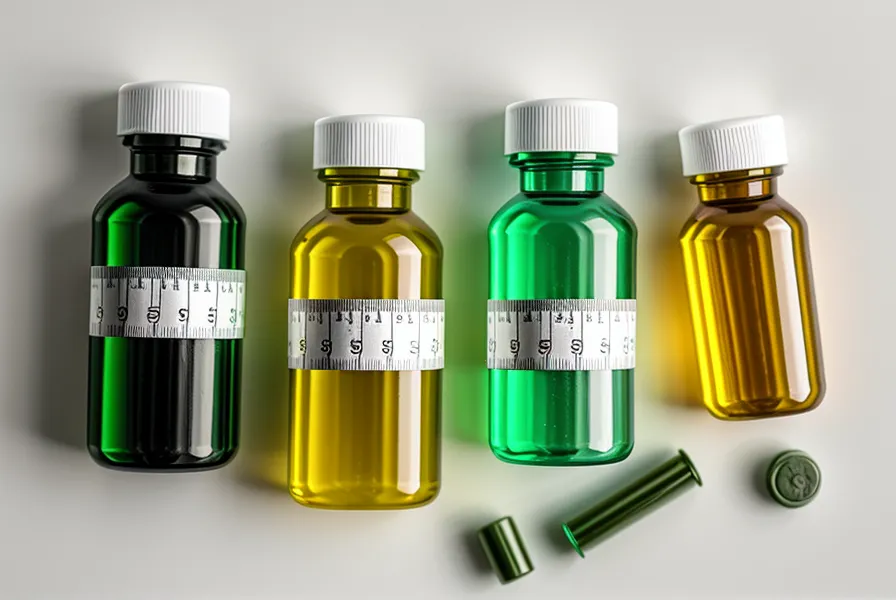
Swapping my second cup of coffee for Cardio Slim Tea was mostly a test of whether a purity number on a tea label would hold up the same way it does on a capsule. It does. The bottle lists 45% EGCG purity from green tea catechins, the standard pharmaceutical-grade concentration worth checking for if metabolic support is the actual goal and not just a pleasant smell in your mug.
That purity number is also the reason I trust it more than a bag that just says "green tea extract" on the side and calls it a day; a decision rule I break down in more detail in best non-stimulant weight loss supplements for label readers, including how to weigh it against capsule-based options.
Fiber, the Ingredient Most Labels Skip
None of the capsules above matter much if the rest of the plate is empty carbs, which is where the Smoothie Diet earned its spot in the rotation; a structured way to get whole-food fiber into a lunch that would otherwise be whatever's fastest. Fiber does the satiety work that a lot of "appetite suppressant" marketing tries to fake with stimulants instead, and that mechanism deserves its own dedicated page rather than a throwaway line here.
The protocol itself doesn't need much explaining; swap one meal, keep the fiber high, and stop treating whole food like an afterthought to the pill bottle. The Smoothie Diet is a solid, budget-friendly way to structure that swap if cooking from scratch every single day isn't realistic for you.
My Checklist Before Any Bottle Makes the Cabinet
Not everything that makes it onto my desk earns a permanent spot, either. A pricey monthly subscription box built around a proprietary appetite-suppressant blend lasted exactly one shipment before it went straight into the donation pile, and I'm still a little embarrassed at how convincing the marketing copy was. A label that won't show its work doesn't get a second chance anymore, no matter how good the box looks.
Simplicity keeps winning over complexity on that shelf. The most effective products I've tested had the plainest labels, not the most "scientific-sounding" ones. CitrusBurn has stayed in steady rotation longer than anything else mentioned here, mostly because its label hasn't changed and neither has what's actually in the capsule.

A steady, non-jittery lift that doesn't hide behind a "proprietary" fog points toward CitrusBurn. A gut that needs attention before anything else will work points toward LeanBiome instead. Either way, the label should do the explaining before your card does; read it twice, run the cost-per-serving math the way Derek would, and skip anything that answers a direct question with a blend name instead of a number.
CitrusBurn
Pros
- ▸ Full label transparency with zero proprietary blends
- ▸ Standardized 4.3%-4.5% anthocyanin concentration
- ▸ Stable, stimulant-free energy without the jitters
- ▸ Uses high-quality Sicilian Moro orange extract
Cons
- − Requires consistent use over weeks to see results
- − Capsules are slightly larger than standard size
All opinions and observations on this site are my own and are shared purely for informational purposes. They do not constitute professional medical, financial, or legal advice. Please consult the relevant professional before acting on any information presented here.