A supplement bottle can legally print "Proprietary Fat-Burning Complex" on the front and never disclose how many milligrams of anything are actually inside the capsule. That single fact is the reason supplement transparency turned into an obsession of mine, and it's also why natural weight loss aisles are full of bottles that look identical from the outside but couldn't be more different once you read the fine print.
Quick disclosure before we get into it: some of the links below are affiliate links, and I earn a commission if you buy through them, at no extra cost to you. I've tested what I recommend myself, I'm not a doctor or a research scientist, and nothing here replaces an actual conversation with your own physician, especially if you're managing a health condition already.
Two Bottles, Two Very Different Labels
Six years of buying, testing, and mostly returning supplements has taught me that the label tells you more than the marketing copy ever will. Two bottles can sit next to each other on a shelf at nearly the same price and represent completely opposite philosophies — one hiding behind a blend name, the other spelling out exactly what you're swallowing and how much of it. That's the comparison worth walking through, using two products I've actually put through the wringer myself instead of a hypothetical.
These days most of what's actually in my kitchen comes from the produce bins at People's Food Co-op on SE 21st Avenue, and supplements are the one category where "just eat whole food" isn't really an option — you're stuck reading a label instead, whether you like it or not.
What a Proprietary Blend Actually Hides
Grocery labels have to list exact amounts per serving — sodium in milligrams, sugar in grams, all of it indexed to a serving size. Supplement blends don't work that way. A company can bundle several ingredients under one clever name and never break out how much of each one is actually in the capsule. That's legal, it's common, and it's the entire reason "proprietary blend" makes me skeptical instead of curious.
Some of the traditional remedies I picked up during two years traveling through Southeast Asia work the same way in reverse: senna leaf, for instance, shows up in some "traditional detox" blends at a strength that isn't always spelled out on the package, which is its own version of the same transparency problem, just wearing a different costume.
A friend of mine brews her own kombucha in a crock on the kitchen counter, and when I explained proprietary blends to her, her first question was basically, "wait, so you don't actually know what's in it?" That's the whole issue in one sentence: it's the supplement-aisle version of a restaurant menu that just says "chef's special sauce" without listing what's in it. The same logic applies on the gut-health side of weight loss too, where strain count matters more than whatever's printed in bold on the front of a probiotic box, but that's a different rabbit hole entirely.
Three Months of Garcinia Cambogia, and Nothing to Show for It
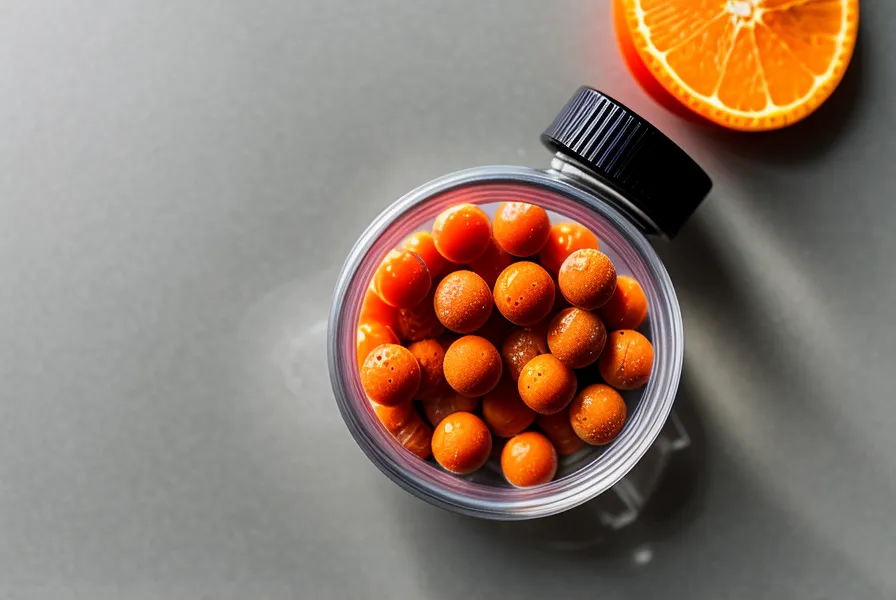
The generic bottle in my case was a Costco tub of garcinia cambogia — cheap, plainly labeled as a single ingredient, and completely useless. Three months of taking it daily produced exactly nothing I could point to: no shift in appetite, no change in energy, no movement on the scale beyond ordinary day-to-day noise.
The only vivid memory I have from that stretch is standing around with rain hissing against the pavement three floors down, waiting to feel literally anything. Nothing came. It wasn't a disaster — nobody got sick — it just didn't do anything, which might be the least useful outcome a supplement can produce, since at least a product that visibly backfires teaches you something fast.
Whether garcinia cambogia technically counts as a "proprietary blend" or just a single mislabeled dud almost doesn't matter here — the point is that a bottle can look confident and specific on the shelf and still turn out to be a black box once you're the one swallowing it.
Reading the CitrusBurn Label, Side by Side
CitrusBurn worked from the opposite premise: publish the exact ingredient panel and let the reader decide if it's worth the shelf space. I picked up a bottle of CitrusBurn expecting the usual dodge, and instead found a label that named its piperine extract and specified the concentration right there on the back.
Most blends just list "black pepper extract" and leave you guessing whether it's the compound that actually helps absorption or just ground pepper dressed up in capsule form. This one also named its citrus aurantium (bitter orange) source directly, with a stated synephrine percentage printed on the label instead of buried inside a "thermogenic matrix." That kind of specificity is rare, mostly because it costs more to maintain a consistent standardized extract than to dump commodity powder into a capsule.
The clearest evidence wasn't anything from a lab report. It was pulling a pair of jeans from 2019 out of the closet and having them button shut without holding my breath or lying flat on the bed to force it. That's not a controlled trial, and I'm not going to pretend it's peer-reviewed data — but it's the kind of unglamorous, specific detail that tells you more than a testimonial ever could.
That switch to transparent citrus extracts wasn't a passing phase — it's been the permanent shift in what's on my shelf since. Some people skip blends of any kind entirely and buy single ingredients to dose themselves separately, which is a completely valid path too, just a different comparison than the one running here.
So Which Approach Should You Actually Trust?
If capsules aren't your thing at all, the Smoothie Diet comes at this from a completely different angle — whole-food smoothies on a set daily protocol instead of anything in pill form, which sidesteps the blend question altogether.
None of this matters if you don't actually build the habit of checking the back of the bottle before the front sells you on it. I've laid out a longer label-reading routine that walks through how I do this in under a minute standing in the aisle, and if you want the deeper breakdown of what each individual ingredient is supposed to do once it's in your system, my weight-loss supplement ingredients guide covers that separately.
A few roads I'm deliberately not covering here: if caffeine already makes you jittery, stimulant-free appetite suppressants work through a completely different mechanism and deserve their own look. If you'd rather go the probiotic route, the CFU count and whether the strain actually survives your stomach acid matter far more than anything printed in bold on the front of the box. And I'm not running the full cost-per-serving math for CitrusBurn against a garcinia bottle in this post — that comparison earns its own space — but sticker price alone tells you almost nothing about what you're getting per dose.
So which one should you actually trust? A cheap, vague blend might be worth a shot if you've got money to spare and don't mind never knowing what worked if something does happen — that's the garcinia cambogia bet, and mine didn't pay off. A transparently labeled product asks more of you up front, because you actually have to read it, but you walk away knowing what did or didn't do anything, which matters if you ever need to explain your routine to an actual doctor. If you want to see the milligram breakdown before you swallow anything, CitrusBurn is worth checking out here.
I'll admit I probably enjoy reading a supplement label more than any functioning adult should, but six years of doing it has paid for itself many times over. A label that hides its numbers behind a clever name is asking for trust it hasn't earned. A label that shows its work is at least giving you a fair shot at knowing whether any of it is doing anything at all — read the back of the bottle before the front convinces you otherwise.
All opinions and observations on this site are my own and are shared purely for informational purposes. They do not constitute professional medical, financial, or legal advice. Please consult the relevant professional before acting on any information presented here.