
How many milligrams of actual citrus polyphenol are hiding inside the fat burner bottle sitting on your counter right now? Most labels won't say, and that gap, one vague word "proprietary" printed where a real number belongs, is the whole reason supplement transparency matters more than any bold claim on the box. I live in Portland, where a rainy afternoon at New Seasons Market on SE Division Street means plenty of time to squint at ingredient panels in the supplement aisle, and that habit turned into an actual system for telling a fat burner worth trusting from one that's just marketing wearing a lab coat.
Quick disclosure before we get into the mechanics: some of the links below are affiliate links, meaning I earn a small commission if you buy through them, at no extra cost to you. I only link to things I've actually tested myself, including CitrusBurn, which comes up a few times in this piece. None of this is medical advice — I'm not a doctor, just someone who has burned through more supplement bottles than I'd like to admit, to the point where my recycling bin looks like a pharmacy display that lost an argument. Talk to your own doctor before changing up your routine.
'Proprietary Blend': The Only Label Claim That Should Worry You
Portland's average annual rainfall sits high enough that gray, obscured days are just the background of ordinary life here, which is a fitting comparison, because most fat burner labels are just as foggy about what's actually inside them. A proprietary blend is a lot like a restaurant menu that lists "protein, vegetables, sauce" as one dish and won't say whether there's actually chicken in it, a topic I've picked apart in painful detail elsewhere, so I won't repeat the rant here. What matters for this piece is simpler: the moment a label hides individual amounts, you've lost the ability to judge whether you're getting a meaningful dose of anything or just a token amount for the marketing copy.
That's the exact reason I started keeping a running transparency audit of every bottle in my apartment, which sounds fancier than it is. It's really just a standing desk with a rolling whiteboard where I track whatever's currently in rotation, a scale by the keyboard I use to double-check whether a serving-size claim on the label actually matches what's in the scoop, and bottles queued up along the windowsill in the order they entered rotation, oldest ones closest to the glass. By three in the afternoon the sun swings around and slices a bright stripe clean across the desk, usually right over whatever bottle I'm mid-comparison on, and there's almost always a ceramic mug of green tea losing its heat somewhere near the notebook, ignored until it's gone cold.
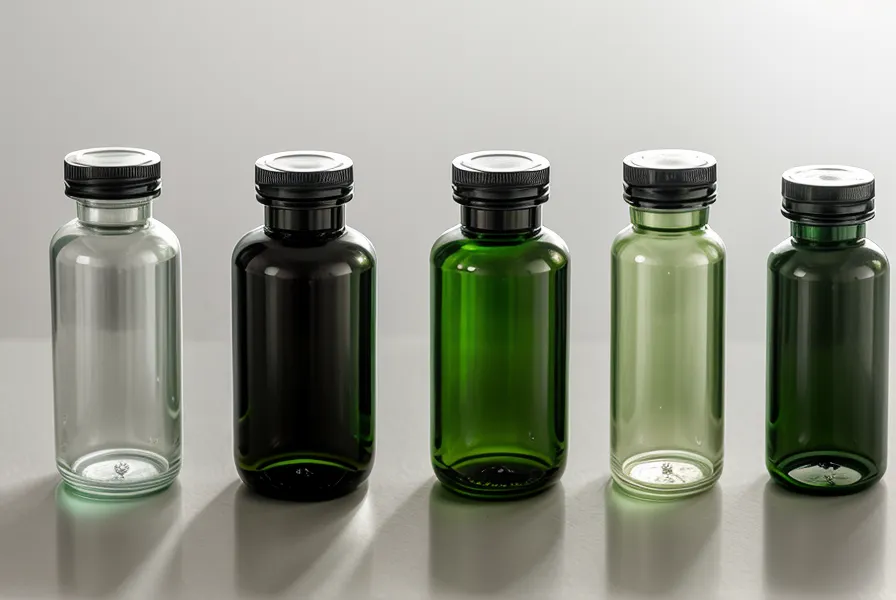
Understanding Citrus Polyphenol Fat Burner Label Transparency
A transparent fat burner label does a few specific things a proprietary blend never will. Every ingredient gets its own number instead of a shared total split between several things you can't individually weigh. The company is willing to say how that number compares to whatever amount outside research has actually used, rather than staying vague about it. And the total stimulant count adds up to something you can weigh against your own caffeine tolerance and whatever your doctor has already told you about your coffee habit, instead of a mystery figure buried inside a blend name.
Sourcing style matters just as much as dosage. A label built around one specific, named, patented extract is a different animal than a "matrix" assembled from a dozen trendy-sounding botanicals; buying single-ingredient extracts instead of house blends is its own whole strategy, and one I've broken down in far more detail on another page, so I'll leave it there. My friend Derek Pham won't even glance at an ingredient panel until he's done the cost-per-serving math, a habit that's occasionally annoying over brunch, but usually right that a cheaper bottle with worse sourcing isn't the better deal, and I've run that same math on CitrusBurn elsewhere without finding a reason to make a special case for it.
Reading the CitrusBurn Label Line by Line
CitrusBurn is the one that actually passed every check above when I went through it line by line. The label lists a specific number next to Sinetrol, its core citrus extract, instead of folding it into a combined weight, with no shared total or mystery filler. Sinetrol is a patented, single-named ingredient, not a vague "thermogenic matrix," which checks the sourcing box too. I put together a full breakdown of the math behind transparent citrus extracts like this one if you want to see exactly how the numbers compare, but the short version is that the company isn't hiding anything, which is rarer than it should be in this category.
None of this replaced actual trial and error, and not everything I tried worked out. A full bottle of raspberry ketone pills did nothing I could point to: no change in energy, no change in how my jeans fit, nothing worth the shelf space it took up next to the other bottles. Somewhere after switching over to labels I could actually verify, I noticed my shirt tucked in again without any effort, which hadn't happened in about two years, not proof of anything scientific, just the kind of detail that sticks with you more than a spreadsheet does.
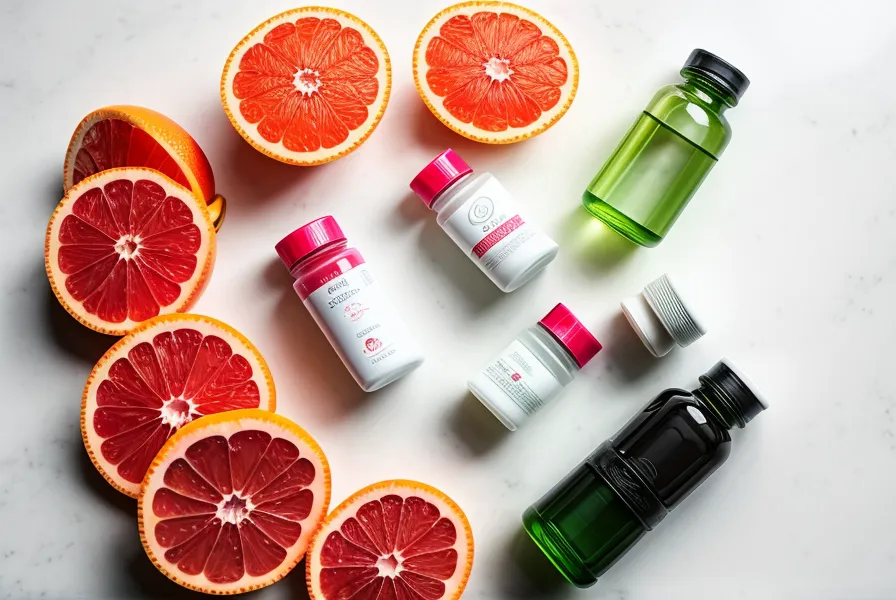
LeanBiome, Cardio Slim Tea, and Why Not Every Fat Burner Needs the Same Test
LeanBiome passes a version of the same transparency test, just aimed at a completely different mechanism. It works through gut bacteria rather than stimulants, and whether those probiotic counts actually survive long enough on a shelf to matter is a technical question I've answered in full on the shelf-stability side of the site. The label-reading exercise I did specifically on LeanBiome's own ingredient panel is a separate deep dive too, if you want that particular play-by-play.
Cardio Slim Tea sits in a third lane entirely, closer to the traditional, ingredient-forward remedies I picked up a taste for during two years traveling through Southeast Asia, long before I ever cared about reading a supplement label, a bigger story than fits here, and I've told it properly elsewhere. If stimulants are off the table for you completely, the mechanism behind stimulant-free appetite control is its own topic I've gone deep on separately, and if swapping meals for smoothies instead of adding a pill is more your speed, that's a different protocol I've written up on its own.

A reader named Edgar Vasquez, who reads every review twice before ordering anything, emailed me a version of this exact question not long ago about how to tell a transparent label from a marketing trick before you've spent money finding out the hard way. The checks above are pretty much my answer, applied to whatever bottle is actually sitting in front of you instead of whatever's sitting in front of me.
The Real Verdict: Read the Milligrams, Not the Marketing
Portland's gray skies aren't going anywhere, and neither is the supplement industry's habit of hiding behind vague blend names, but you don't have to guess once you know what to actually check. If you want the specific bottle that passed every one of these tests for me, CitrusBurn is the one I keep recommending, not because it's flashy but because it's the rare label that shows its work. For more on how I run this whole label-reading in the rain process across other categories, that's covered in more depth elsewhere on the site. Check the ingredient panel before the marketing copy, do the cost-per-serving math before deciding anything counts as a bargain, and let the milligrams, not the front of the box, make the final call.
All opinions and observations on this site are my own and are shared purely for informational purposes. They do not constitute professional medical, financial, or legal advice. Please consult the relevant professional before acting on any information presented here.