Have you ever squinted through a magnifying glass at a supplement bottle just to realize you bought expensive sawdust? One rainy afternoon last November, sitting at my cluttered kitchen counter in Portland, I realized my shiny new 'fat-burning matrix' buried barely 100 milligrams of conjugated linoleic acid under 1,400 milligrams of cheap maltodextrin and flowing agents.
Before we go any further, a quick heads-up: I earn a commission if you make a purchase through the links on this page, but it happens at no extra cost to you. I have personally tested every single product mentioned here in my own routine—because my bank account has already suffered through the supplement world's worst gimmicks so yours doesn't have to.
The Proprietary Blend Loophole and Safflower Sleight of Hand
During the two years I spent wandering Southeast Asia, shopping at street-level apothecary stalls in Chiang Mai and Penang, herbalists scooped whole roots, crushed bark, and pressed oils right in front of your eyes. You could smell the raw camphor; you could feel the oily grit of real turmeric. Nobody handed you a pouch labeled 'Secret Mountain Energy Matrix' and told you to stop asking questions.
Back home, the supplement aisle plays by completely different rules. Under the Dietary Supplement Health and Education Act of 1994, brands can legally lump twenty ingredients together under a trademarked 'complex' and disclose only the combined weight. That means a formula boasting conjugated linoleic acid might load ninety-five percent of the capsule with inert binders or cheap caffeine while skimping on the actual fatty acid you paid for. If you want to dive deeper into how brands pull this off, I broke down the legal sleight of hand in my guide on The Label-Reading Obsessive’s Guide to Metabolic Support Without the Proprietary Blend Scam.

Real CLA supplements are typically derived from safflower oil through an isomerization process. The clinical standard you see repeated across human body composition studies requires an active isomer concentration of roughly 80 percent, aiming for an intake between 3.2 grams to 6.4 grams daily. When a brand hides behind a tiny 500 mg blend, you aren't even getting a fraction of what researchers actually tested. You're just paying premium prices for carrier oil and silicon dioxide.
The Delivery Debate: Why Softgels Aren't Always King
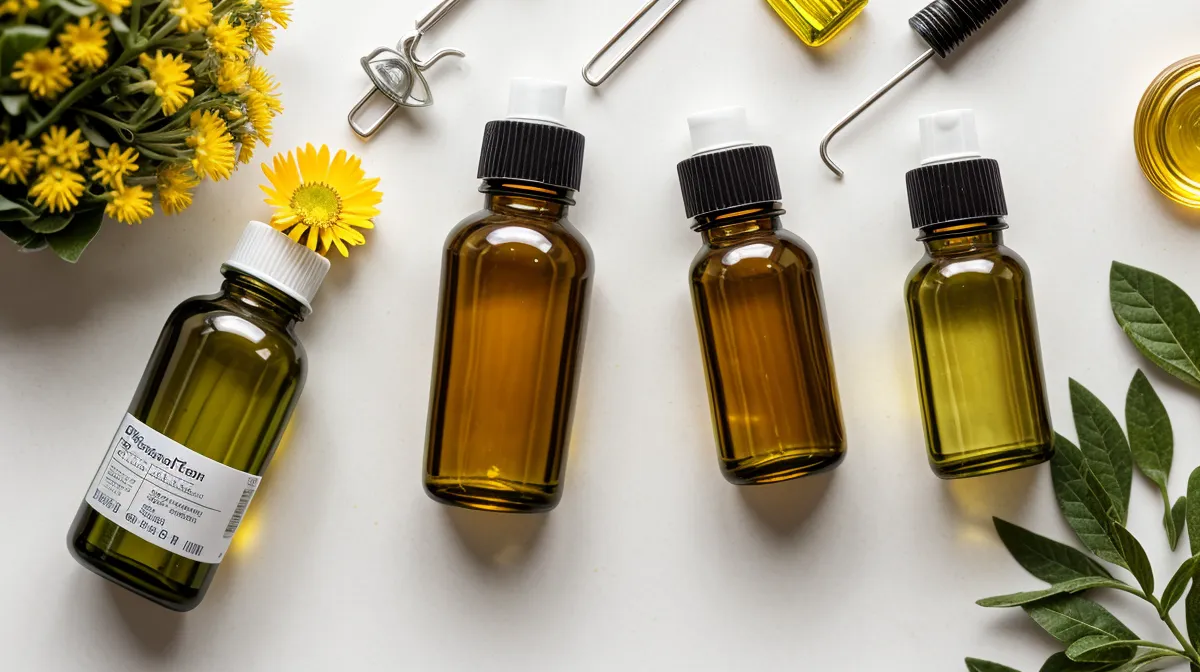
Most folks assume that if a supplement comes in a thick, amber softgel, it is automatically superior. After about four weeks of label audits, comparing raw bottled liquids against sealed capsules, I noticed something that most generic buyers miss. Softgel capsule stability definitely provides longer shelf life—it protects sensitive polyunsaturated fats from oxidizing on a warm shelf—but that heavy gelatin casing also offers slower nutrient absorption rates compared to liquid-based CLA formulas.
Think of it like searing garlic in butter versus tossing raw garlic into cold stock. A raw liquid gets into your system rapidly, but it tastes like rancid cooking grease and goes bad fast if you don't refrigerate it immediately. The softgel protects the oil from turning rancid on your shelf for a year, but your digestive system has to break down that stubborn capsule shell before your body can even begin emulsifying the fatty acids. Neither format is inherently evil, but if your stomach is sluggish or you dislike swallowing horse pills, that dense gelatin matrix can sit heavy. That's why I started looking beyond single-oil softgels to see how fully disclosed metabolic tools compare.
My Top Pick for Transparent Metabolic Support: CitrusBurn
By late February, I was fed up with opaque softgels that left me burping up greasy safflower aftertastes. I wanted a formulation that took the guesswork out of daily metabolic support while laying every single milligram bare on the facts panel. That is how I landed on CitrusBurn, which quickly became my daily go-to.

Now, I need to be crystal clear: I'm not a doctor, I'm not an endocrinologist, and I have zero medical credentials. I am simply someone who reads labels until my eyes water. Always talk to your own doctor before adding any potent metabolic supplement to your daily routine, especially if you have underlying cardiovascular or thyroid considerations.
What I actually noticed with CitrusBurn was clean, steady energy through my mid-afternoon slumps without the shaky palms that usually accompany generic fat burners. Because it does not hide behind an arbitrary matrix, you know precisely what botanicals are supporting your metabolism. If you check their current pricing on the vendor's page, keep in mind promotions shift frequently, but for sheer label integrity, it wiped the floor with the mystery softgels I bought at the supermarket.
Other Clean Formulations That Earned Shelf Space
While testing, I realized that relying solely on an isolated fatty acid is like trying to fix a broken bicycle by only oiling the chain. True metabolic rhythm depends heavily on gut balance and daily nutrient density. I wrote previously about how tracking simple habits transformed my pantry in my notes on Why I Stopped Buying Proprietary Blends and What My Tracking Notes Taught Me About Label Transparency, and a few other products stood out during that process.
For gut-centric metabolic support, LeanBiome caught my attention because it pairs transparently labeled lean bacterial strains with real botanical support. I found it especially gentle on digestion, which was a massive relief after weeks of heavy oil capsules. When I wanted an evening ritual that didn't involve popping pills, sipping Cardio Slim Tea became my favorite wind-down habit—warm, grounding, and completely free of artificial flavorings or hidden stimulants.
And if you need a total nutritional reset rather than another pill bottle, the Smoothie Diet provides a structured, whole-food framework that eliminates processed filler foods entirely. You can verify their current package options directly on their site, but having a clear food roadmap kept me accountable when rainy Portland days made me want to eat nothing but sourdough toast.
The Final Verdict on Finding Pure Formulas
By mid-spring, clearing out the proprietary blend clutter had transformed more than just my supplement shelf—it saved my wallet from endless trial-and-error disappointment. Conjugated linoleic acid can be a useful tool when standardized to 80 percent active isomers and taken in amounts aligned with clinical benchmarks, but only if the brand respects you enough to print the numbers on the back of the bottle.
If you are ready to stop guessing what is inside your daily routine, start with a formula that respects ingredient transparency. Pairing an open-label formula like CitrusBurn with whole-food habits will always beat taking a gamble on proprietary mystery dust.
| Product | Rating | |
|---|---|---|
| CitrusBurn Top Pick | 9.3 | Read More → |
| LeanBiome | 8.8 | Read More → |
| Cardio Slim Tea | 8.4 | Read More → |
| Smoothie Diet | 8.1 | Read More → |
CitrusBurn
Pros
- ▸ Zero hidden proprietary blends or mystery doses
- ▸ Gentle botanical formula without jittery energy crashes
- ▸ Third-party tested components with full label transparency
- ▸ No heavy gelatin softgel burps or stomach heaviness
Cons
- − Only available online via the official website
- − Stock can fluctuate during high-demand months
All opinions and observations on this site are my own and are shared purely for informational purposes. They do not constitute professional medical, financial, or legal advice. Please consult the relevant professional before acting on any information presented here.