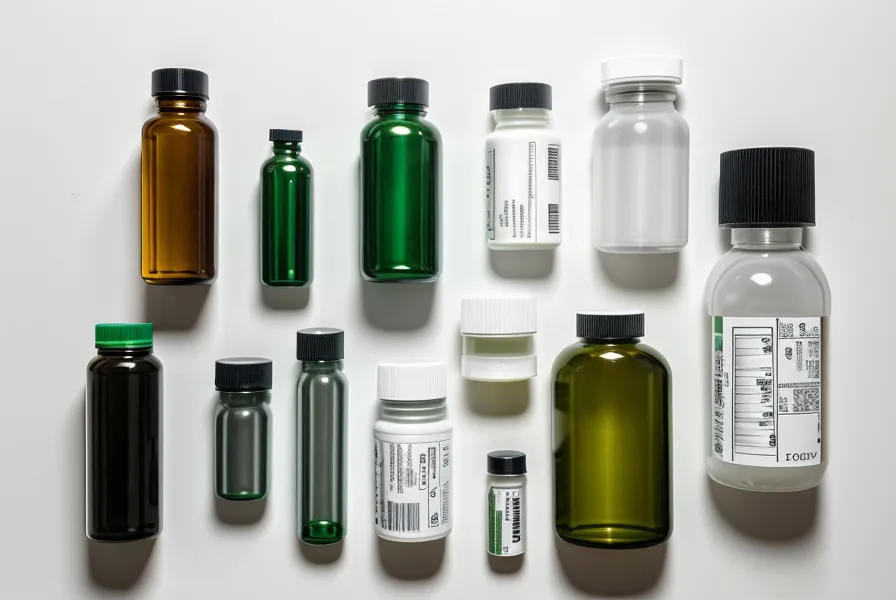
Two bottles sit on a folding table at the Portland Saturday Market under the Burnside Bridge, and I'm holding one in each hand like I'm weighing produce instead of supplements. Both are marketed as natural fat burners. Both call themselves clean supplements without a single number to back that claim up. Only one of them will actually show me a real weight-loss label, meaning an ingredient list with an honest milligram amount next to every item instead of one made-up name covering four things at once, and that's the entire test I run before anything goes in my cart.
My college friend Derek Pham does this with almost everything he buys, not just supplements — grabs the cheapest version of a product first, sets it right next to the premium one, and only spends the extra money once he can point to an actual difference between the two. It's the instinct half the people standing at that supplement shelf are missing, because right now most of them are buying a brand name, not a number.
What Actually Separates a Legit Fat Burner From a Blend in Disguise?
Here's the filter I run every bottle through before it earns a spot on my shelf: every ingredient has to carry its own disclosed amount, no exceptions. No 'thermogenic complex,' no 'fat-torching matrix' hiding four or five things under one combined weight. That kind of labeling traces back to a loophole in the Dietary Supplement Health and Education Act of 1994, which lets a company group ingredients under one blend name without breaking out what's actually inside it. It's also the entire screening test behind this guide — nothing gets a mention unless every ingredient on it carries a disclosed milligram amount, blend name or not.
A car spec sheet lists horsepower and torque as actual figures, not a badge that reads 'Performance Package' with no numbers attached, and buyers would laugh a dealership off the lot for trying that. A supplement label deserves the same standard. If a company respects the person buying it, they show the number. If they don't, they hide behind a name that sounds impressive and count on nobody checking.
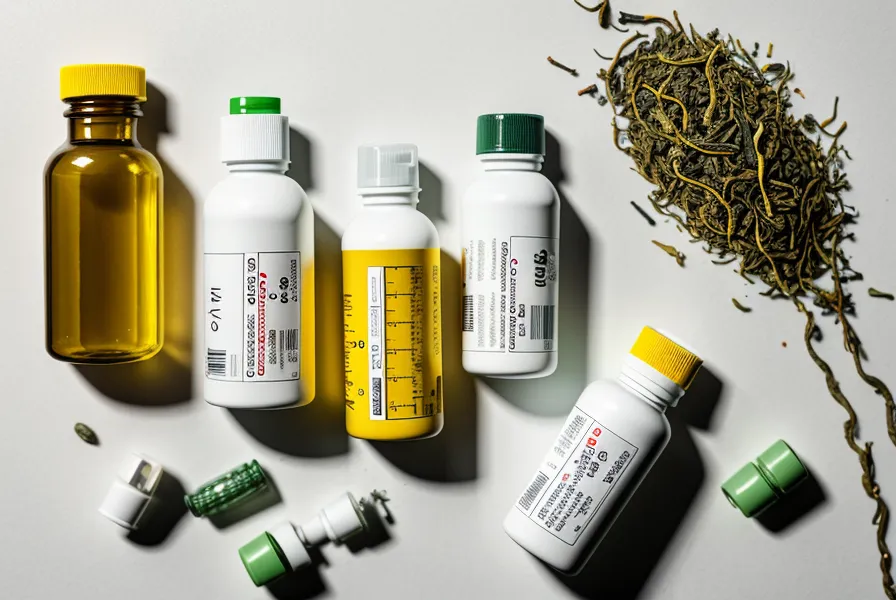
Reading a Disclosed-Dose Weight-Loss Label Line by Line
Once a label clears the blend test, the real homework starts. Citrus extracts are a good example of this. Plenty of bottles list 'citrus extract' or 'bioflavonoid complex' without ever naming a flavonoid concentration, which tells you the marketing department wrote that line, not the formulation team. Years spent digging through spice stalls and street-side tonics during a long stretch of travel through Southeast Asia taught me that specific ratios matter more than an ingredient name ever will, a lesson that applies just as much to a bottle on a Portland shelf as it did to anything I watched get mixed overseas.
Run the cost-per-serving math side by side and the lower sticker price often loses once you divide it by a dose too small to actually do anything, while the pricier bottle wins because every dollar buys you a number you can verify instead of a name you have to trust. That math only works, though, if the label gives you real numbers to divide in the first place, which loops right back to the blend problem.
The Eighty-Dollar Subscription Box That Taught Me to Read Past the Marketing
For about four months, a subscription box sat on my counter, costing eighty dollars a month for an appetite suppressant kit built entirely on proprietary blends, three unmarked pouches, and a glossy insert that talked a big game about willpower and cravings without a single dose listed anywhere inside it. I kept telling myself the price tag meant quality control, which is a special kind of denial reserved for people who really want a system to work because they already paid for it.
Canceling felt like admitting defeat at the time, but it also cleared counter space for bottles I could actually audit line by line, and I'd make that trade again without hesitating. I wrote up the full cost breakdown of walking away from blend-based subscriptions in why I dropped $128 on CitrusBurn: my 2026 Portland experiment, if you want the exact math instead of just my complaining about it.
The clearest sign anything had actually changed didn't come from a mirror or a scale. It came at the checkout lane back at the Saturday Market, standing in front of a rack of granola bars I usually grab without thinking, and realizing I'd walked right past them without a second glance.
Blend Versus Disclosed Dose: The Verdict
A reader named Edgar Vasquez wrote in after a routine physical where his cardiologist flagged elevated triglycerides, the kind of appointment that makes a person suddenly very interested in what's actually inside the products they've been taking on faith. He'd been buying whatever fat burner had the loudest packaging for years without ever turning the bottle around, and he wanted a second opinion before he kept going. I told him what I'm telling you: put the bottle down until you can find the milligram number for the ingredient you actually care about, and if the company won't give it to you, that's your answer already. He checked back a while later with notes on exactly what he'd noticed after switching to a disclosed-dose formula, and the difference wasn't dramatic. It was just real, which is honestly the most any of us should expect from a bottle of pills.
So here's the actual verdict, not a hedge: pick a proprietary blend product only if you genuinely don't care what's inside and you're buying purely on brand trust, because that's the entire transaction on offer. Pick a disclosed-dose formula every time you actually want an ingredient to do something, because that's the only version where you can check a number against real research instead of a marketing team's imagination. For more on the plant side of that equation, I keep updated notes on natural fat burning tea ingredients worth reading before you buy anything else.
My kitchen counter used to be a graveyard of the first kind of bottle, purchased by a version of me who apparently thought a scary font counted as science. It isn't anymore, and that's not a coincidence. It's just what happens once you stop letting a label do your thinking for you. Talk to an actual doctor before changing anything about your diet or supplement routine, especially if you're sensitive to stimulants or managing a health condition already.
All opinions and observations on this site are my own and are shared purely for informational purposes. They do not constitute professional medical, financial, or legal advice. Please consult the relevant professional before acting on any information presented here.