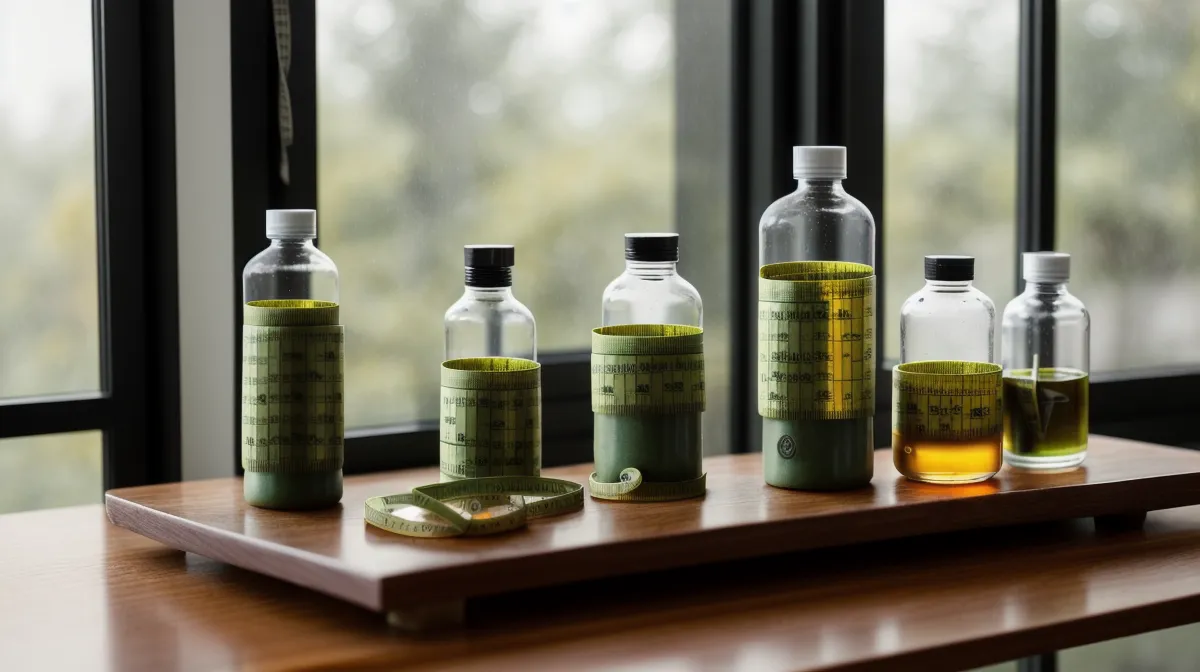
Ever stood in your kitchen, staring at a stack of supplement tins that cost more than your monthly coffee budget, only to realize you have no idea what is actually in them? One rainy November afternoon, that was me. I was surrounded by 'miracle' teas in my Portland home, feeling that familiar itch of frustration because every single label was hiding behind a 'proprietary blend'—the ultimate scam for anyone who actually cares about what they put in their body.
Before we dive into the leaves, a quick heads-up: I use affiliate links on this site. If you buy something through them, I earn a commission at no extra cost to you. I only link to stuff I have actually tested in my own kitchen and on the trails, because life is too short for fake reviews. Also, I am not a doctor or a scientist—I am just a label-reading obsessive who spent two years in Southeast Asia learning that nature usually has a better answer than a lab-made mystery powder. Talk to your own doctor before starting any new supplement routine.
The Chiang Mai Secret: Beyond the Green Tea Hype
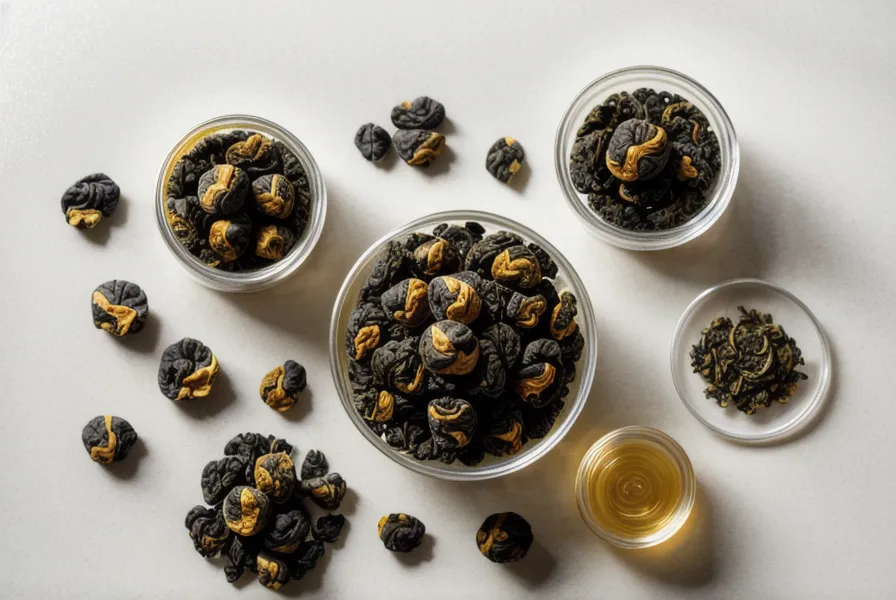
While living in Chiang Mai, I spent hours talking to a local tea master who looked at my 'metabolism booster' pills and just laughed. He explained that the secret to metabolic health isn't some hidden chemical; it is the synergy of high-oxidation leaves and citrus. He brewed me a cup of dark, amber liquid that smelled like orchids and earth, a far cry from the dusty green tea bags I was used to. It was Oolong, but not the light, floral kind most people know.
Oolong tea exists in a massive botanical spectrum, with an oxidation range from 8% to 85%. In Southeast Asian traditions, they often lean toward the higher end of that scale for digestive support. They don't hide their ingredients; they celebrate them. This realization made me realize that the 'proprietary blend' trap I’d fallen into back home was just a way for companies to underdose the expensive, effective botanicals while padding the label with cheap fillers. I decided then to start vetting my supplements with the same rigor I use for my morning pour-over coffee.
The Empty Stomach Trap: Why Your Morning Tea Might Be Sabotaging You
Here is something the 'fit-tea' influencers won't tell you: drinking heavy oolong tea on an empty stomach to 'maximize metabolism' is often a terrible idea. In my experience, doing this spikes cortisol levels and triggers a blood sugar crash that leaves you ravenous by 11:00 AM. I noticed this early last winter when I tried the 'fasted tea' method. Instead of feeling energized, I felt shaky and ended up face-planting into a plate of carbs by noon.
The traditional way—the way that actually works for sustained energy—is to enjoy the tea alongside or shortly after a light meal. This balances the tea’s natural compounds and prevents that jagged, heart-racing jitter you get from mystery-blend caffeine pills. When I switched to this traditional timing, I finally felt that steady, grounded energy shift—distinctly different from the artificial high of a stimulant-heavy supplement. It is about the ritual, not just the chemical hit.
Reading the Label: Transparency Over Marketing
Late one evening last winter, I sat down to cross-reference the tea I was drinking with the FDA standards. Did you know the FDA caffeine limit for a 12oz soda is 71mg? Many weight loss supplements don't even list their caffeine content because it is buried in a 'blend.' If a company won't tell you exactly how many milligrams of Oolong or Citrus aurantium are in the bottle, they are probably hiding something. I have spent too much time reading The Proprietary Blend Trap to let that slide anymore.
I started looking for products that mirrored the Southeast Asian logic of transparency. That is how I found CitrusBurn. It doesn't hide behind a curtain; it lists what is inside. It felt like finding a recipe that actually gives you the measurements instead of just saying 'add spices.' During my testing, I noticed that products with clear labels generally provided a much smoother experience without the 'crash' associated with the dozens of other supplements I have tested since 2021.
The Perfect Brew: Science Meets Tradition
After about six weeks of consistent brewing, I realized that the temperature of your water matters just as much as the leaves. For a high-oxidation Oolong, you want a standard tea leaf infusion temperature of 185°F to 205°F. Too hot, and you scorch the delicate catechins; too cool, and you don't extract the theaflavins that give Oolong its metabolic punch. It is like tempering chocolate—precision matters.
I remember the sensory experience of those first few weeks: the sharp, floral scent of high-mountain oolong leaves unfurling in a ceramic pot while the Portland rain streaks the windows. It became a meditative practice. If you are looking for that specific traditional profile in a more convenient form, Cardio Slim Tea is one of the few I have found that actually respects these ratios. It feels less like a 'diet product' and more like the herbal preparations I saw in Thai apothecaries. You can check the current price on their site, as it tends to shift based on harvest cycles.
What I Actually Noticed During My 8-Month Trial
- Month 1-2: Significant reduction in post-lunch bloating once I stopped the empty-stomach tea habit.
- Month 4: A noticeable shift in 'steady state' energy during my morning routines.
- Month 6: Improved digestion, likely from the high oxidation levels supporting gut flora.
- Month 8: A more sustainable approach to weight management that didn't feel like a 'struggle' or a 'system.'
The Portland Rule: Simplicity Always Wins
Early May during a hike in the Gorge, I realized I hadn't reached for a 'metabolism pill' in months. I was carrying a thermos of Oolong instead. Shifting back to Southeast Asian logic—transparency and ritual—finally cleared the clutter on my shelf and in my head. I stopped being a victim of the 'proprietary blend' scam and started being a student of the leaf. If you are tired of the guesswork, I highly recommend checking out The Portland Rule for Weight Loss to see why I made the switch.
We often overcomplicate weight loss with complex chemicals when the answer has been sitting in a tea bowl for centuries. Whether you are brewing it loose-leaf or using a high-quality preparation like Cardio Slim Tea, the key is knowing exactly what you are consuming. Don't let a marketing department hide the truth from you. Read the labels, respect the tradition, and for heaven's sake, eat something before you drink your tea. Your cortisol levels will thank you.
All opinions and observations on this site are my own and are shared purely for informational purposes. They do not constitute professional medical, financial, or legal advice. Please consult the relevant professional before acting on any information presented here.