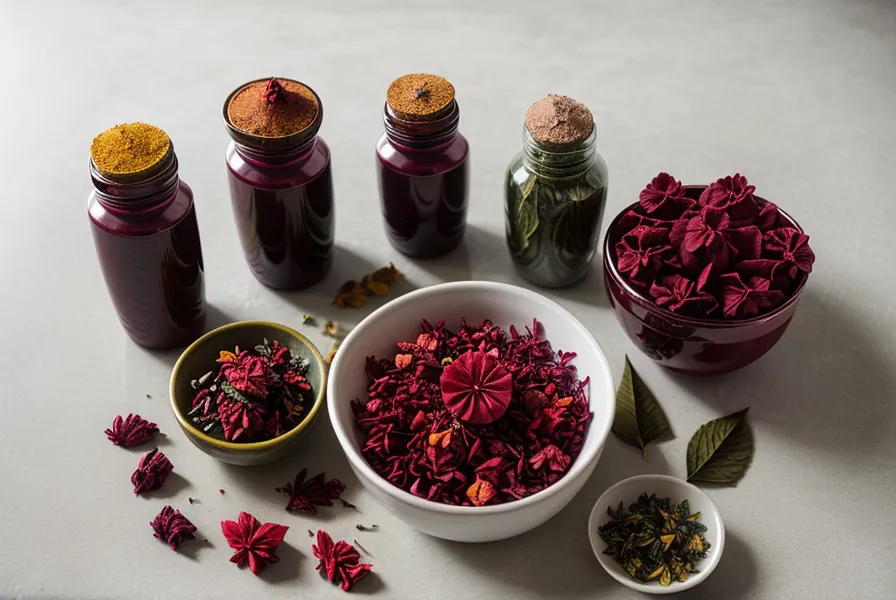
Elbow-deep in a kitchen drawer, hunting for the one metal strainer that doesn't let hibiscus pulp sneak into my mug, my phone buzzes. It's Mitch Adeyemi, a guy I've traded supplement-skeptic rants with for years online, wanting to know if I'm falling for some reality-TV name whose face just landed on a tea company's homepage, promising it fixed her blood pressure in a matter of days. I'm not, but that text is basically why hibiscus tea for weight loss and blood pressure support needs a straight answer instead of another herbal supplement ad dressed up as natural weight loss advice.
Quick disclosure before anything else: I test and buy these products myself, and if you click through and purchase something, I earn a commission at no extra cost to you. Six years into doing this, and I'm still not a doctor, not a dietitian, not even someone who was particularly good at chemistry back in school — just a guy who's dumped more money than I'd like to admit into jars of powder that did nothing, and got stubborn about demanding the ingredient list actually match what's on the label.
Short version, if you don't want the full breakdown: a specialized herbal infusion like Cardio Slim Tea is a solid, low-effort place to start if you want an evening ritual that leans into vascular support without pretending tea alone will melt off twenty pounds. The long version — why most grocery-aisle hibiscus is basically flavored dust, and why blood pressure numbers move the way they do — is below.
Does Hibiscus Tea Actually Lower Blood Pressure?
It can nudge blood pressure numbers, modestly, for some people, and that's based on what I've actually watched happen on my own upper-arm cuff, not a biology lecture. Brewed strong and consistent, hibiscus has taken the edge off my numbers during stressful stretches of the day. It hasn't done anything dramatic, and anyone telling you a cup of tea replaces blood pressure medication is selling you something, not helping you.
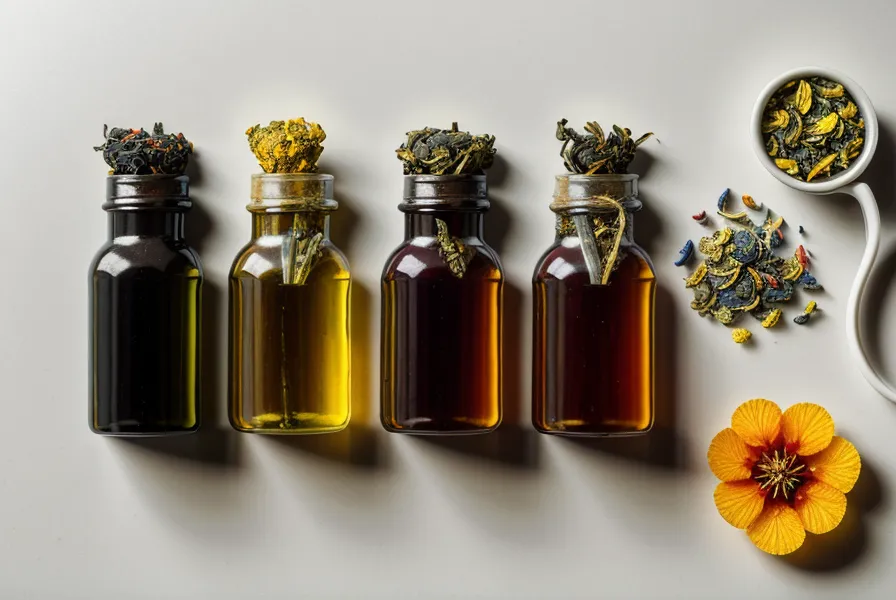
Whole calyxes matter here far more than brand names do. Fine-cut tea bag dust turns water pale pink in under a minute and tastes like wet paper, and that's usually a sign the good compounds oxidized away long before the box ever hit a shelf. Think of it the way you'd think about buying pre-ground coffee that's been sitting open on a counter for ages — technically still coffee, functionally a waste of hot water. The dark, leathery whole Hibiscus sabdariffa calyxes I first got hooked on while traveling around Southeast Asia years back brew a sharp, cranberry-tart red that tea bag dust just can't fake.
The Proprietary Blend Trick Hiding in Half These Teas
Here's the part that makes me want to throw my mug across the kitchen. A lot of blood-pressure-support blends bury hibiscus inside a "proprietary blend." A legal label trick that lets a company state the total weight of a mix without saying how much of any single ingredient is actually in there. You could be paying mostly for green tea and a sprinkle of hibiscus and never know it. Mitch is the one who first made me paranoid about this — he won't touch anything with a celebrity's face on the box, precisely because the ingredient list underneath is so often hollow. I go deep on how to spot this trick in The Label-Reading Obsessive's Guide to Metabolic Support Without the Proprietary Blend Scam, but for hibiscus specifically: if the front of the box says "hibiscus" and the back says "proprietary blend," assume you're mostly buying marketing.
Will Hibiscus Tea Alone Help You Lose Weight?
Not by itself, and I learned that the hard way. Picture a thirty-day juice cleanse from a juice bar here in Portland — the kind that promises a reset and delivers lightheadedness, irritability, and a rebound craving for anything with bread in it the moment it ends. That's what trying to outsource weight loss to a single drink gets you, hibiscus included. Tea can support the process — it's a low-calorie swap for something sweeter, it carries enough ritual to curb mindless snacking, and for me, it's tangled up with genuinely sleeping and eating better overall. These days I wake up around six most mornings without an alarm screaming at me, actually hungry instead of just reaching for coffee out of habit — that's a real physical signal, and it came from a stack of small habit changes, not from one tea.
Most of my actual blood pressure and weight improvements trace back to walking longer stretches of the Wildwood Trail out in Forest Park than I used to, not to anything in a mug. Sumit Bhattacharya, a fellow supplement tracker I swap notes with, put it better than I could when he told me he's never once made an exception for a proprietary blend, no matter how good the backstory sounds, because the backstory isn't what's listed on the supplement facts panel. That's basically the whole philosophy of this site in one sentence.
Reaching for Cardio Slim Tea After Dinner
After dinner is where Cardio Slim Tea earns its keep. It pairs roselle hibiscus with a few complementary digestive and circulation-support herbs, and unlike the supermarket dust bags, it holds onto a genuinely deep ruby color and a real cranberry-sharp bite — a decent sign the anthocyanins actually survived the trip to my cupboard. What sold me wasn't the blood pressure angle so much as the behavior change: brewing a cup instead of raiding the pantry for something sweet turned into a grounding little routine instead of a nightly willpower fight.
CitrusBurn in the Morning Lineup
Mornings are a different problem. Tea handles cravings and calm just fine, but it's not going to touch stubborn, sluggish metabolism the way a dedicated formula aims to. CitrusBurn leans on a citrus-polyphenol angle instead of a mystery cocktail, which matters to me specifically because I've been burned before by blends hiding garden-variety stimulants behind fancy branding. It became the thing I reach for before coffee, with the hibiscus brew saved for the afternoon slump instead.
Why Did LeanBiome Make the List?
Gut health kept showing up in my own notes even when I wasn't looking for it. Bloating from acidic teas on an empty stomach is a real thing, and it was muddying how I judged whether anything else was actually working. LeanBiome pairs specific probiotic strains with botanical extracts aimed at calming that kind of gut inflammation, and adding it in took the edge off the bloat that hibiscus sometimes causes on its own. Sumit Bhattacharya, a fellow tracker who found my site through a Reddit thread comparing probiotic labels, is actually the one who first got me paying attention to strains and fillers at all, long before I connected any of it back to hibiscus.
The Smoothie Diet as a Backup Plan
Tea and supplements only do so much if the rest of your eating is actively working against them, and for a stretch mine was — chaotic takeout, snacking standing up at the counter, the usual. The Smoothie Diet gave me a simple structure for working real fruit, greens, and fiber into the day without planning every single meal from scratch, more scaffolding than a long-term lifestyle. It's not glamorous, but compared to the juice cleanse disaster, it's the difference between following a recipe and taking a dare.
How to Tell a Real Hibiscus Tea From Flavored Dust
Look for whole, cut calyxes instead of bleached paper sachets. Real dried hibiscus looks like dark purple, leathery flower petals, not confetti. Drop it in water just off the boil and watch the first minute or two closely: a real calyx bleeds a deep, almost opaque burgundy fast, while weak or oxidized stock stays thin and amber no matter how long you leave it steeping. Check the ingredient panel the same way you'd check a menu for "natural flavors" hiding a shortcut. If the front of the box screams "Hibiscus Blood Support" and the back lists maltodextrin, undisclosed extracts, or a blend you can't parse, put it back on the shelf. I wrote a longer rant about exactly this kind of label mismatch in Why I Stopped Buying Weight Loss Proprietary Blends and What My Tracking Notes Actually Show, if you want the full tracking-notes version.
There's a kitchen scale sitting next to my keyboard for exactly this reason — not for ceremony, just to catch brands fudging their serving-size math the second something smells off. Most afternoons there's a second mug nearby too, usually green tea I made as a palate reset between hibiscus batches and then let go cold and forgot about, sitting next to the notebook where I jot down steep times and color notes. None of that is scientific. It's just what paying close attention looks like after you've been burned by enough powders and capsules to get paranoid about all of them.
None of this is about finding one overnight miracle in a mug. It's about pairing a legitimately strong cup of hibiscus — the kind of polyphenol-dense calyx you get from something like Cardio Slim Tea — with the rest of a routine that isn't lying to you on the label. Here's how the four stack up against each other, side by side.
| Product | Rating | |
|---|---|---|
| CitrusBurn Top Pick | 9.4 | Read More → |
| Cardio Slim Tea | 8.8 | Read More → |
| LeanBiome | 8.5 | Read More → |
| Smoothie Diet | 8.1 | Read More → |
Cardio Slim Tea
Pros
It's rich in real anthocyanins with an honestly tart, cranberry-sharp profile, it keeps a gentle evening ritual feel for both digestion and a calmer vascular wind-down, there's no artificial flavoring or chemical sweetener propping it up, and it's genuinely replaced the mindless post-dinner dessert hunt for me.
Cons
Steeping whole botanicals takes longer than dunking a standard tea bag, and that pucker-level tartness takes some getting used to if sweet bottled teas are more your speed.
All opinions and observations on this site are my own and are shared purely for informational purposes. They do not constitute professional medical, financial, or legal advice. Please consult the relevant professional before acting on any information presented here.