Why is it that every time I pick up a 'metabolism-boosting' tea at the store, the label looks more like a legal disclaimer than a list of plants? One gray morning in November, I found myself standing in my Portland kitchen, squinting at a fancy tin of 'detox' tea while the rain drummed against the window. I felt that familiar, hot spike of rage when I saw the words 'Proprietary Slimming Blend' followed by a laundry list of ingredients with zero dosages. It’s the ultimate supplement scam—hiding the actual recipe so they can sprinkle in the cheap stuff and charge you for the marketing.
I’m not a doctor or a scientist. I’m just a person who spent way too much money on supplements since 2021 and got tired of being lied to. After traveling through Southeast Asia for two years, I realized that the best remedies aren’t found in opaque 'blends'; they’re found in transparent, high-quality ingredients you can actually identify. When it comes to finding the best metabolism boosting tea for women, the search isn't about finding the strongest stimulant—it's about finding the cleanest label.
The Proprietary Blend Trap and Why Your Tea Shouldn't Be a Secret
The FDA allows companies to hide specific ingredient amounts under the term 'proprietary blend' as long as the total weight is listed. It’s like a restaurant telling you they have a 'secret sauce' but refusing to say if it’s mostly mayo or mostly truffles. In the world of weight loss teas, this usually means a tiny dusting of the expensive, effective herbs and a massive dose of cheap fillers or harsh laxatives like senna.
During my time in the open-air herb markets of Chiang Mai, everything was laid out in baskets. You saw exactly what you were getting. There was no 'Proprietary Apothecary Logic'—just the raw ingredients. Coming back to the US and seeing these shiny tea boxes felt like a step backward. I decided to hunt for a metabolism tea that respected that transparency. I wanted something that didn't rely on synthetic 'natural flavors' or hidden dosages. I’ve written before about The Portland Rule for Weight Loss, which is essentially my manifesto on swapping these corporate blends for actual apothecary-style transparency.
Why Too Much Caffeine is the Enemy of a Woman’s Metabolism
Here is the contrarian truth most supplement brands won't tell you: focusing on caffeine-heavy metabolism boosters often triggers cortisol spikes in women. When your cortisol (the stress hormone) stays high, it can inadvertently cause the body to store stubborn belly fat instead of burning it. It’s like trying to drive with one foot on the gas and the other on the brake.
This is why I gravitate toward teas like Oolong and Pu-erh. According to the USDA, 8oz of brewed oolong tea contains about 37mg of caffeine. For comparison, a standard cup of coffee can have triple that. By keeping the caffeine moderate, you get the metabolic nudge without sending your adrenals into a panic. I’ve learned the hard way that 'more energy' doesn't always mean 'more fat burning'—sometimes it just means more jitters and a worse night's sleep, which is the fastest way to wreck your metabolic health.
The Magic of Fermentation: Pu-erh and Oolong
If you’re looking for clean ingredients, you have to look at how the tea is processed. True Oolong tea is semi-oxidized, sitting precisely between the profiles of green and black tea leaves. It’s like the medium-rare steak of the tea world—balanced and complex. But the real heavy hitter for me is Pu-erh.
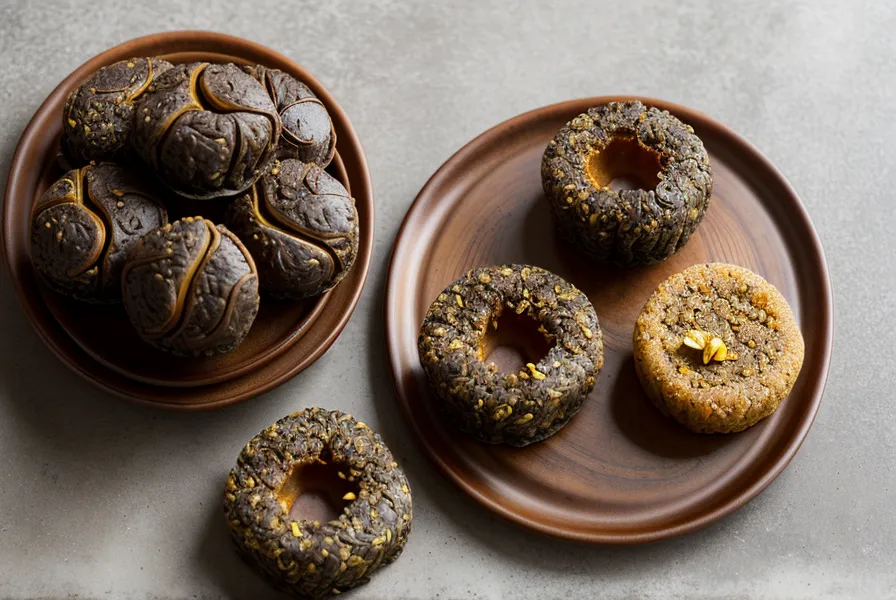
Pu-erh is a 100% fully fermented tea variety produced primarily in the Yunnan province. This microbial fermentation process develops unique polyphenols not found in green or black tea. When I was vetting teas earlier this year, I looked specifically for brands that respected this traditional process. I remember a sensory moment after about six weeks of daily brewing: the deep, damp-earth aroma of the Pu-erh leaves hitting 190-degree water instantly transported me back to a rainy afternoon in a Yunnan tea house. It’s a smell that feels grounded, not synthetic.
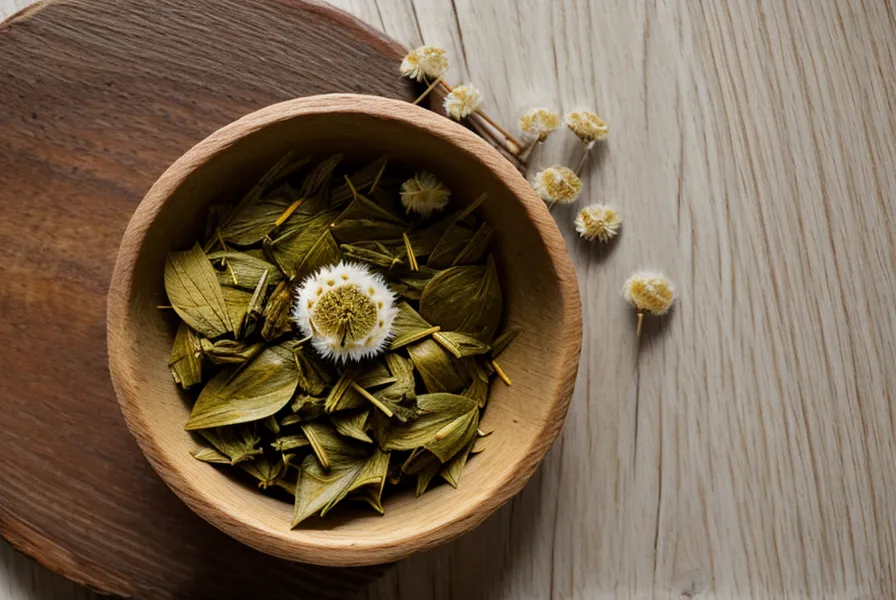
I also look for additions like Dandelion leaf. Botanically, Dandelion (Taraxacum officinale) is recognized as a significant plant source of potassium. It helps with that heavy, bloated feeling without being a harsh diuretic. It’s a much gentler approach than the 'skinny teas' that just make you lose water weight and run to the bathroom every twenty minutes. If you've ever fallen for green tea extract side effects because of the concentrated stimulants, you'll appreciate the slower, steadier pace of a whole-leaf tea.
What I Actually Noticed: My Testing Timeline
I started testing a cleaner metabolism tea ritual late last autumn, specifically focusing on a blend that used high-grade Oolong and Pu-erh without any 'natural flavors' or hidden extracts. I tracked my progress through the end of summer 2026, and the results weren't what I expected from a typical 'weight loss' product.
- After six weeks: My digestion felt 'quiet' for the first time in years. No bloating after lunch, no gurgling. Just a steady, subtle warmth radiating from my core about twenty minutes after finishing the mug.
- Mid-July heatwave: Normally, high-caffeine supplements make me feel overheated and anxious in the sun. With the lower caffeine content of the Oolong (that 37mg sweet spot), I stayed hydrated and level-headed.
- Late August: I realized I hadn't had a single afternoon energy crash in months. By swapping the high-stimulant pills for a slow-steeped tea, my metabolic energy felt sustainable rather than forced.
I'm not saying this tea magically melted off thirty pounds while I sat on the couch eating Voodoo Doughnuts. But it did provide a stable foundation. It turned my metabolism from a flickering candle into a steady pilot light. I’ve found that oolong tea inspired by Southeast Asian traditions is far more effective for long-term consistency than any 'proprietary' pill I’ve ever tried.
How to Read a Tea Label Like an Obsessive
When you’re shopping, pretend you’re a detective looking for a reason to say no. If you see 'natural flavors,' put it back. That’s often just a loophole for chemicals that make low-quality tea taste like something it’s not. Look for organic certification to avoid pesticide residue—tea leaves aren't washed before they’re dried, so whatever was sprayed on the farm goes right into your cup.
Check for the specific type of tea. Is it 'Green Tea' or is it 'Sencha'? Is it 'Oolong' or 'High-Mountain Wulong'? The more specific the label, the more likely the company actually cares about the sourcing. And please, for the love of your gut health, talk to your own doctor before starting any new herbal ritual. I have zero medical training; I’m just a person who reads labels in the grocery store aisle until the employees start looking at me funny.
Ultimately, 'clean' isn't just a marketing buzzword. It’s the difference between a metabolic spike that leaves you exhausted and a sustainable ritual that actually respects your body’s chemistry. In a world of proprietary scams, transparency is the most powerful ingredient you can find.
All opinions and observations on this site are my own and are shared purely for informational purposes. They do not constitute professional medical, financial, or legal advice. Please consult the relevant professional before acting on any information presented here.