Carnauba wax shows up on more green coffee bean extract labels than most people ever notice — it's buried in the "Other Ingredients" line, the same stuff detailers use to make a car hood shine. That's usually the first sign a weight loss supplement is leaning on marketing instead of a clean label. I've gone through enough bottles of green coffee bean extract to know the front of the label almost never tells you anything useful; the real story, and most of the supplement scams, live in the fine print on the back.
Six years of buying, testing, and returning supplements will make you paranoid about packaging, and mine started with a garcinia cambogia habit I'd rather forget. I went through three months of the Costco bottle before admitting none of it was doing anything beyond lightening my wallet, a lesson that cost me the same way an expensive gym membership you never use does. Somewhere between bad decisions and a stretch of backpacking through Southeast Asia, I picked up a simple rule: if a label won't tell you the exact percentage of the thing you're buying, it's not worth your money. People's Food Co-op on SE 21st Avenue is still where I go to read the fine print on new bottles before I'll even consider one, mostly out of habit at this point.
Why Roasting Kills the Thing You're Paying For
Dark roast beans are what most people picture when they think of coffee, but for a weight loss supplement, that dark color is a warning sign, not a feature. Roasting pushes the bean well past the point where chlorogenic acid can survive — the polyphenol in green coffee bean extract most tied to the metabolic and blood sugar claims on the label. By the time a bean turns the deep brown you'd expect in your morning cup, most of that compound is already gone.
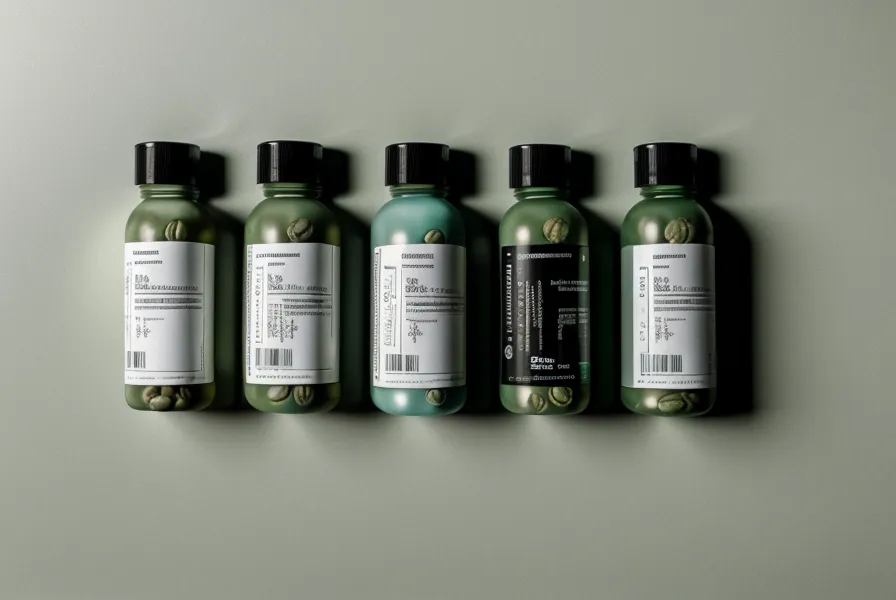
That's the entire reason "green" matters in the name — it has nothing to do with flavor and everything to do with timing. Buying a roasted version and expecting the same effect is like ordering a well-done steak and hoping it still tastes rare; the heat changes what you're actually getting, not just the color.
None of this works, though, if the bottle hides the one number that tells you whether you're getting real extract or glorified caffeine. A proprietary blend can list chlorogenic acid as an ingredient without ever saying how much of it made it into the capsule, which is the oldest trick in this industry — I've written about swapping that approach out entirely in The Portland Rule for Weight Loss: Why I Swapped Proprietary Blends for Southeast Asian Apothecary Logic.
What 45 Percent Means on a Clean Label
The number worth hunting for is 45 percent chlorogenic acid — that's the standardization threshold that separates a usable extract from an expensive caffeine pill with a green label. Below that, you're mostly paying for packaging. I've bought extract that called itself "extra strength" while burying the actual percentage in a footnote too small to read without glasses, which was especially humiliating for someone like me who claims to read every label. The capsule inside did roughly nothing.
A clean label makes this easy to check in a few seconds: find the chlorogenic acid line, find the percentage next to it, and if it's not there at all, put the bottle back. That single habit has saved me more money than any other supplement rule I follow, cost-per-serving math included.
If garcinia cambogia is more your speed than coffee-based extracts, the same standardization logic applies to HCA content, which I cover in Best Garcinia Cambogia With High HCA and No Proprietary Blends — the bottle I wish I'd read before I spent three months on the Costco version instead.
Fillers Hiding in the Other Ingredients Line
Finding carnauba wax in a bottle marketed as "pure" still feels like false advertising — it's the same compound used to make car wax and candy shells glossy, not something anyone associates with weight loss supplements. Magnesium stearate and silica show up almost as often, added to keep powder from sticking to manufacturing equipment rather than doing anything for you.
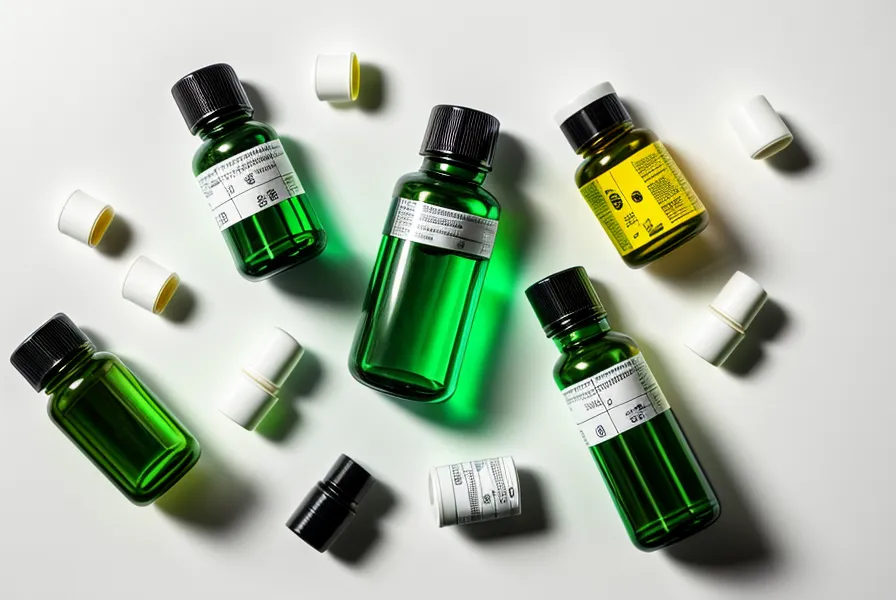
Peeling the sticker off a bottle to check what's printed underneath has become a habit of mine, with a specific resistance right before the backing gives way, the same feeling as pulling a price tag off a mug too fast and hoping the glue doesn't tear the label. More often than I'd like, what's hiding under that second layer is a longer filler list than the front label admits to.
Most people who get jittery or queasy on green coffee bean extract blame the chlorogenic acid itself, when it's just as often the binder holding the capsule together — a distinction worth knowing before you swear off an entire category of supplement over one bad bottle, though anyone with a sensitive stomach should talk to a doctor rather than guess.
Keep It Away From Your Oatmeal
Fiber and chlorogenic acid do not mix well, and almost no guide mentions it. A high-fiber meal — oatmeal, bran, a big salad — binds up the polyphenol before your body gets much of a chance to absorb it, which means the exact breakfast habit most people think is "healthy" is quietly canceling out the supplement they just took with it.
Moving the dose to thirty minutes before eating, or to the afternoon away from fiber-heavy meals, is the single biggest free upgrade available for this supplement — free in the sense that it costs nothing, not in the sense that I'd skip asking your own doctor before changing your routine. It's a timing fix, not a miracle, and it won't out-perform what's actually in the capsule. If caffeine itself is the problem rather than timing, the swap I'd make instead is covered in Best Non Stimulant Weight Loss Supplements for Label Readers.
My neighbor asked at the mailbox a while back whether I'd done something different lately, and I genuinely couldn't tell her if it was the extract, better sleep, or just the fact that I stopped eating my oats at the same time as my capsule — which is honestly the most useful thing I can tell you about this supplement. It's not a miracle, it's not going to undo a bad diet, and anyone selling it as either one is the same type of label you should already be avoiding. Read the percentage, check the other ingredients, separate it from your fiber, and let the rest be exactly as boring as it actually is.
All opinions and observations on this site are my own and are shared purely for informational purposes. They do not constitute professional medical, financial, or legal advice. Please consult the relevant professional before acting on any information presented here.