
Why is it so hard to buy a supplement that isn't basically a gummy bear in a lab coat? One rainy evening in Portland last mid-November, I found myself squinting at a so-called natural ACV gummy label under my flickering kitchen lights—only to find glucose syrup and artificial red dye listed way before the actual vinegar. It felt like a betrayal of everything I learned during my two years wandering through Southeast Asian night markets, where a 'remedy' was usually just a raw, pungent root or a fermented tonic that made your eyes water.
Before we dive into the vinegar-soaked details, a quick heads-up: this site uses affiliate links. If you buy something through these links, I earn a commission at no extra cost to you. I've personally tested these products because I’m obsessed with labels and refuse to put proprietary junk in my body. I'm not a doctor or a scientist—just a guy who spent way too much money on supplements and finally started reading the fine print. Always talk to your own doctor before you start popping new gummies, especially if you have existing health stuff going on.
The Great Portland Kitchen Purge
Looking at that bottle in my hand, I realized my pantry had become a graveyard of overpriced, sugar-coated wellness candy. If you're like me, you probably started taking ACV because you wanted that metabolic kick, but most commercial gummies are a joke. I’m a total label-reading obsessive, and what I saw that night sent me down a rabbit hole. Most of these brands are banking on the fact that we won't notice the 2 grams of sugar per serving—which is the industry average for gelatin-based supplement gummies. It doesn't sound like much until you realize you’re essentially eating a dessert to get a health benefit.
I decided it was time for a full-scale audit. I’ve written before about why I trashed my proprietary fat burners, but the ACV situation was even more dire. According to the FDA, for a product to even be labeled as vinegar, it needs a standard acetic acid concentration of 5%. Yet, many gummy brands don't even list their acetic acid percentage. They hide behind the term 'Apple Cider Vinegar' without telling you if the active component—the stuff that actually helps with blood sugar and weight support—is even present in a functional amount.
The Problem with 'The Mother' and Cheap Bulking Agents
By early March, I was deep into the research. I wanted to find out which brands actually preserved 'the mother'—those cloudy strands of proteins, enzymes, and friendly bacteria—without using maltodextrin as a cheap bulking agent. Maltodextrin is my nemesis. It has a higher glycemic index than table sugar, yet it’s tucked into 'healthy' supplements everywhere. When you're looking at a label, remember the FDA requirement that ingredients must appear in descending order of predominance by weight. If the first thing you see is 'Sugar' or 'Glucose Syrup,' you're buying candy, not a supplement.
I also started noticing a major divide in the gummy world: Pectin vs. Gelatin. Most of the cheap stuff uses gelatin, which is animal-based and, frankly, kind of gross if you think about the processing. But here’s the kicker I noticed after about six weeks of testing: pectin-based gummies maintain better stability and texture over time. Gelatin-based alternatives are way more prone to degradation, especially in warmer shipping environments or if you leave them in a sunny kitchen. Pectin, which is a vegan-friendly thickening agent derived from fruit cell walls, holds its shape and keeps the active ingredients 'locked in' much better.
Testing the Real Contenders
I spent months trying different brands, looking for that specific balance of high acetic acid and zero filler. It was a lot of trial and error—and a few bottles that ended up in the trash because they tasted like a chemistry set. Eventually, I found a few that actually met my 'Portland Rule': transparency over secret formulas. I’ve detailed my hatred for the proprietary blend scam elsewhere, and ACV gummies are notorious for this.
The standout for me has been CitrusBurn. It’s one of the few that doesn't feel like it’s trying to trick me. It uses a pectin base, which survived a heatwave in my apartment without turning into a giant, sticky blob. More importantly, the label is clear. It doesn't hide behind a 'metabolic complex' that’s 99% filler. When I started using it, I noticed that mid-afternoon slump I usually get after a big lunch started to level out. It felt less like a 'hack' and more like the traditional remedies I saw in Southeast Asia—simple, direct, and focused on the gut.
If you're on a tighter budget but still want to avoid the worst of the sugar traps, the Smoothie Diet approach often includes some solid ACV protocols that emphasize whole-food sources over processed gummies. It’s a bit more work than just chewing a gummy, but the transparency is 100%. For those looking for a more comprehensive gut-health angle, LeanBiome has been a solid addition to my shelf, focusing on the bacterial strains that work in tandem with the acetic acid in vinegar.
My Actual Testing Notes
One rainy afternoon in July, I sat down to compare my notes. I’d been tracking how I felt on different brands for months. Here’s the thing: you can’t expect a gummy to do the heavy lifting of a bad diet. It’s a tool, not a miracle. I once spent way too much money on a 'detox' gummy in a fancy glass jar that turned out to be mostly cane sugar—my own fault for being distracted by the aesthetic.
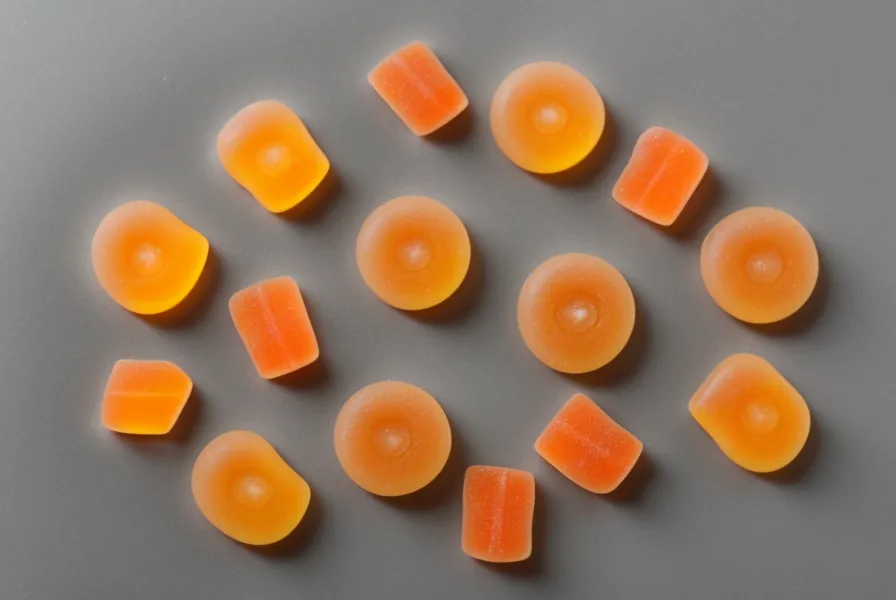
What I actually noticed with the cleaner, pectin-based options like CitrusBurn was a distinct lack of that 'sugar crash' you get from the commercial brands. Because they aren't spiking your insulin with glucose syrup just to make the vinegar palatable, the effect is much smoother. I also noticed that the ones containing 'the mother' tended to be slightly more opaque; if your gummy is crystal clear and looks like a Jolly Rancher, it’s probably been filtered so much that all the good stuff is gone.
The Verdict on Clean ACV
Real weight loss support comes from clean labels and high acetic acid content, not high-fructose corn syrup masquerading as health food. I'm done with the proprietary blends and the secret 'weight loss' ingredients that are just fancy names for caffeine and sugar. I want the 5% acetic acid standard, I want the pectin base for stability, and I want to know exactly what I'm putting in my body.
If you’re tired of the marketing fluff, check out the comparison below. I’ve narrowed it down to the ones that didn't make me feel like I was just eating candy. My top pick remains CitrusBurn simply because the label transparency is exactly what I look for after years of being burned by 'proprietary' nonsense. It’s the closest I’ve found to that raw, honest tonic energy I miss from my travels, just in a much more convenient (and better tasting) format. Go see for yourself and stop settling for hidden fillers.
Check the current pricing on the vendor's page, as it tends to shift based on seasonal bundles, but for my money, the clean label is worth every cent. Don't forget to run any new supplement by your doctor—even the 'natural' ones can interact with things you might already be taking. Stay obsessive about those labels!
| Product | Rating | |
|---|---|---|
| CitrusBurn Top Pick | 9.4 | Read More → |
| LeanBiome | 8.9 | Read More → |
| Smoothie Diet | 8.5 | Read More → |
| Cardio Slim Tea | 8.2 | Read More → |
CitrusBurn
Pros
- ▸ Pectin-based formula that stays stable even in Portland's summer humidity
- ▸ Zero proprietary blend nonsense—you know exactly what you're swallowing
- ▸ Contains 'the mother' for that raw, enzyme-rich traditional benefit
- ▸ No maltodextrin or high-fructose corn syrup hiding in the ingredients
Cons
- − Slightly more tart than the sugar-laden 'candy' brands
- − Only available through their official site
All opinions and observations on this site are my own and are shared purely for informational purposes. They do not constitute professional medical, financial, or legal advice. Please consult the relevant professional before acting on any information presented here.